Ошибка, которая дорого стоит: неправильный выбор грохота может разрушить ваше производство
Статический и вибрирующий диски: выберите идеальное оборудование для сортировки для вашей производственной линии
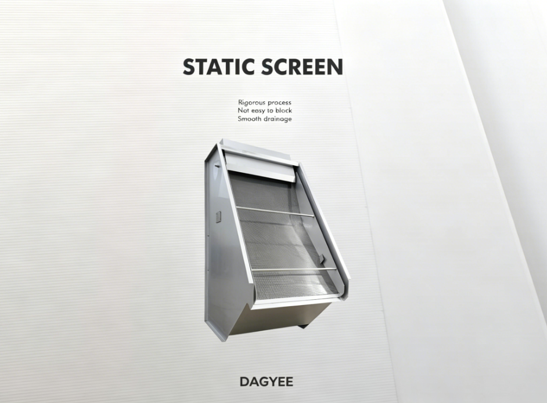
При обработке процессов разделения твёрдых и жидких фаз, гранулирования материала, обезвоживания и удаления осадка инженеры на заводе и руководители производства часто сталкиваются с трудным вопросом подбора оборудования. Наиболее частый спор сводится к одному вопросу: следует ли выбирать статический или вибрационный сито?
Многие специалисты в отрасли считают само собой разумеющимся, что вибрационные сепараторы обладают более передовой технологией и высокой производительностью, автоматически называя их «премиальным вариантом». Однако любой, кто имеет практический опыт работы на производстве, понимает важную реальность:
Независимо от того, насколько высококлассным или дорогим является сепарационный блок, его неподходящее применение в вашем процессе вызовет бесконечную цепочку проблем.
Данное руководство представляет справедливую и всестороннюю оценку, охватывающую десять основных аспектов: операционный механизм, пригодные условия эксплуатации, расходы на эксплуатацию, сложность обслуживания, общая срок службы, ключевые критерии подбора размера, требования к монтажу, регулярные процедуры технического обслуживания, частые эксплуатационные неисправности и примеры промышленного применения на месте. Прочитав данную разбивку, вы получите четкие рекомендации по выбору подходящего решения для отбора, соответствующего вашим производственным потребностям.
1. Принципы работы: в чём они различаются?
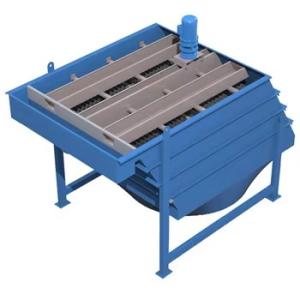
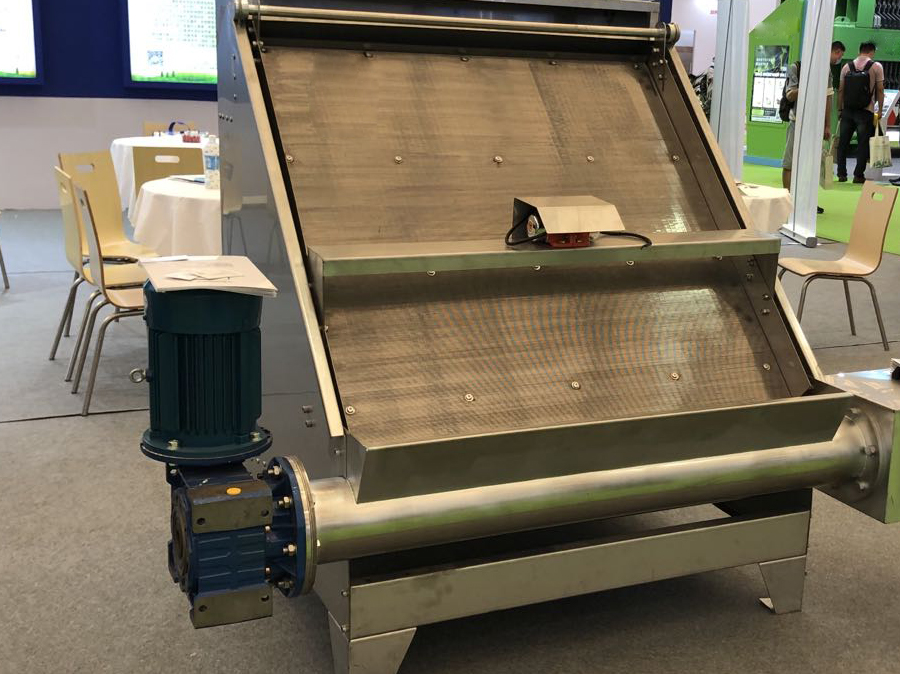
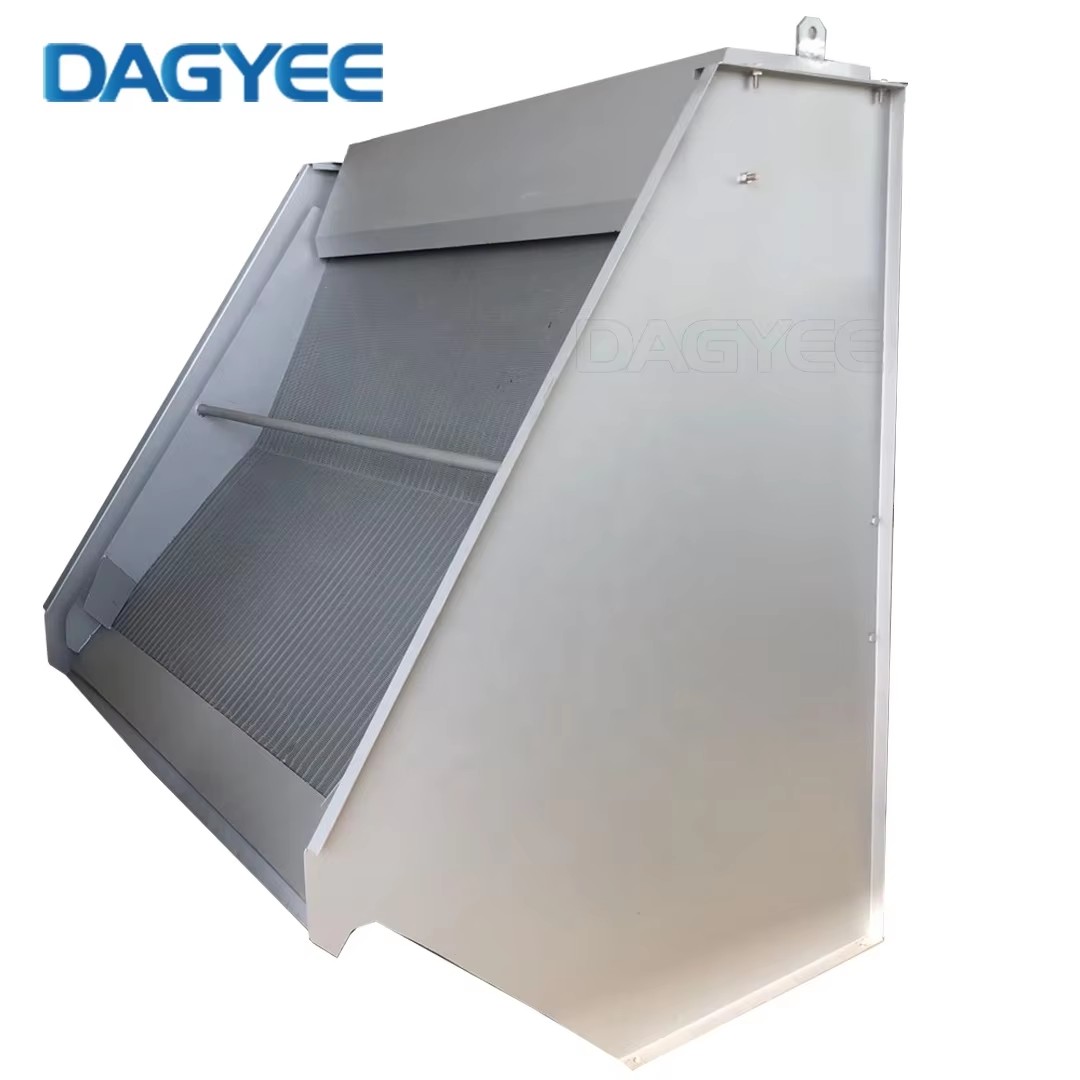
Статический экран (фиксированный экран / наклонный экран)
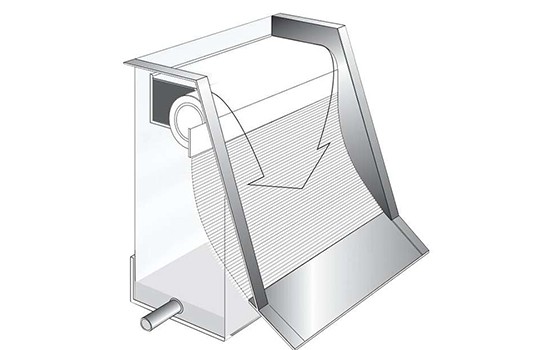
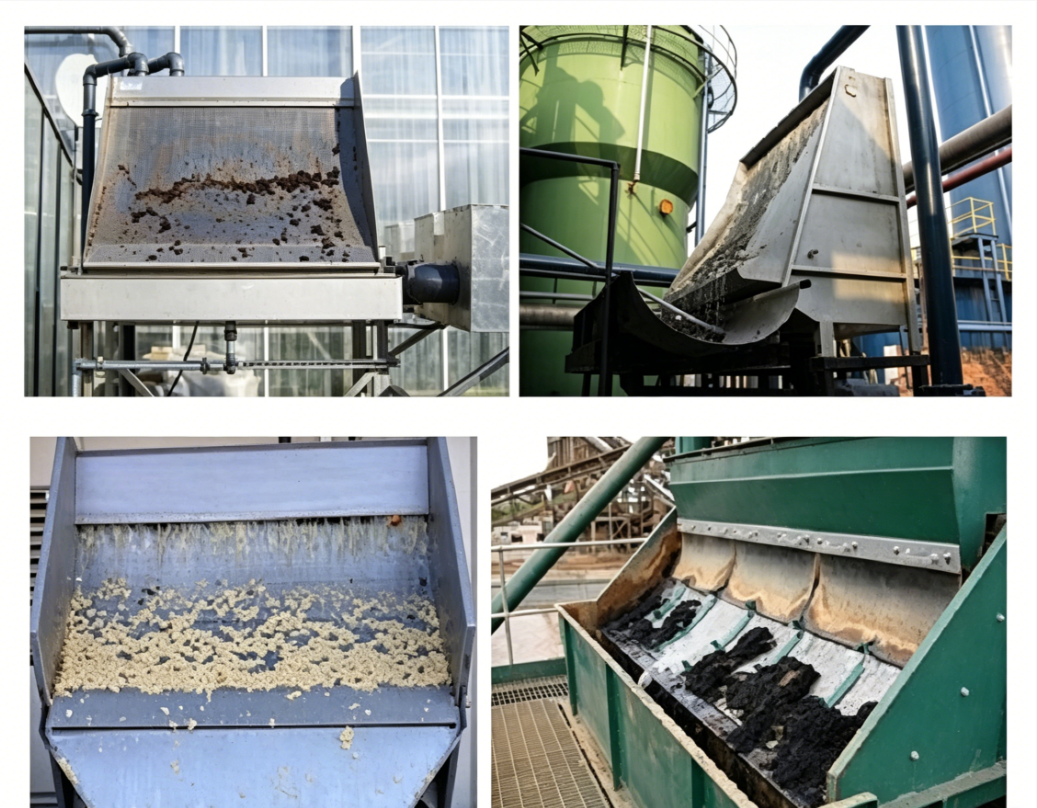
The core logic of a static screen is remarkably simple: Он работает на гравитации — не требует внешней энергии.
• Поверхность сетки закреплена под наклоном, обычно от 15° до 35° (в зависимости от характеристик материала и требований к очистке)• Материал движется вниз по поверхности сетки только под действием силы тяжести — не требуется источник питания
• Дренирующие частицы проходят через отверстия сетки, а крупный материал вытекает с нижнего конца
• Может быть спроектирован как однослойная или многослойная (хотя многослойные статические сетки обладают ограниченной эффективностью)
• Нет двигателя, нет возбудителя, нет подшипников, нет пружин, нет муфты — ни одной движущейся детали
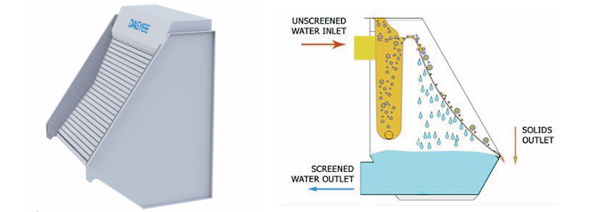
В этом заключается главная сила статического экрана: он настолько прост, что почти ничего не может быть сломано.
Процесс скрининга на статическом экране можно разделить на три этапа:
1. Зона подачи: материал попадает на поверхность сетки и начинает ускоряться
2. Скрининговая зона: мелкие частицы проходят через отверстия под действием силы тяжести
3. Зона разгрузки: материал большого размера выходит с нижнего конца.
Весь процесс не требует внешнего энергопотребления (кроме случаев, когда используется в сочетании с подавателем). Это метод скрининга с нулевым энергопотреблением.
Вибрационная сетка
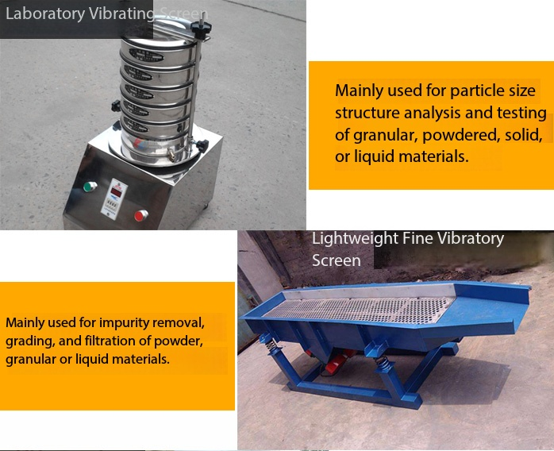
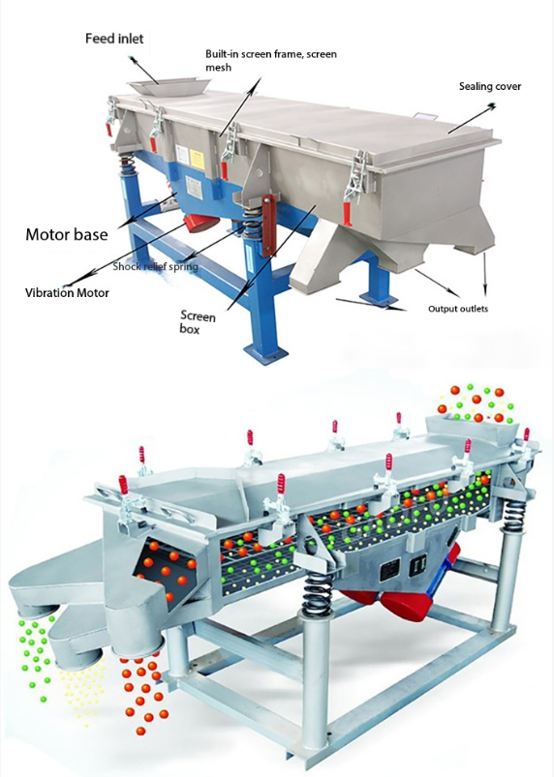
Основная логика вибрационной мельницы отличается: она использует механическую силу для «бросания» материала вперёд.• Экситатор генерирует высокочастотные колебания, заставляя поверхность мешка двигаться в виде возвратно-поступательного или кругового движения.
• Материал перемещается по поверхности мешка в бросающем, отскакивающем движении, меняя направление при каждом прыжке.
• Колебания дают мелким частицам больше возможностей контактировать и проходить через отверстия в сетке.
• Может быть спроектирован как однодисковая, двухдисковая или многодисковая.
• Двигатель, экситатор, подшипники, пружины, эксцентрические массы, муфта, V-шнуры — множество подвижных деталей
2. 5 основных преимуществ статических экранов
Если вы оцениваете, подходит ли статический экран для вашей производственной линии, вот пять преимуществ, которые стоит серьезно рассмотреть:
Преимущество 1: Нулевой или почти нулевой расход энергии
Статические экраны полностью зависят от силы тяжести для синхронизации — сам процесс синхронизации не потребляет энергии.
Статический экран экономит каждую копейку — буквально ноль. Деньги, сэкономленные на электроэнергии за один год, могут купить несколько статических экранов.
Преимущество 2: чрезвычайно низкие затраты на обслуживание
Статические экраны не имеют подвижных частей. Ежедневное обслуживание включает в себя, по сути, одну задачу: проверить сетку экрана на износ и заменить её при необходимости.
Типичная сетка для просеивания стоит от 50 до 300 долларов в зависимости от материала и размера. Частота замены зависит от степени износа материала и производительности. При использовании кварцевого песка сетка обычно служит от 3 до 6 месяцев.
Теперь рассмотрим, что требуется вибрационной мельнице:
• Подшипники: проверяйте каждые 3–6 месяцев, заменяйте каждые 6–12 месяцев (набор подшипников: 50–200 долларов)
• Электродвигатель: требует регулярного смазывания (ежемесячно), капитального ремонта или замены каждые 2–3 года
• Пружины: начинают выцветать через 1–2 года, заменяются каждые 2–3 года
• Двигатель: требует регулярного технического обслуживания (смазка подшипников, проверка изоляции)
• V-шнуры: необходимо регулярно регулировать натяжение каждые 3–6 месяцев, заменять каждые 6–12 месяцев
• Эксцентриковые грузы: болты требуют регулярного осмотра (опущенные болты могут привести к серьёзным авариям)
Вибрационная мельница может стоить тысячи долларов в год только на комплектующие и и рабочую силу. Годовые расходы на обслуживание статической мельницы составляют лишь малую часть от этого.
Преимущество 3: Скорость отказов стремится к нулю
Поскольку статические экраны не имеют подвижных частей, механическое сбой теоретически невозможен.
Единственное, что может пойти не так, — это:
1. Износ или повреждение сетки экрана — обычное потребление, не поломка оборудования
2. Износ балки опоры экрана — обычно появляется через 2–3 года, нормальный износ
3. Насыщение или деформация фундамента установки — это проблема монтажа или гражданского строительства.
Кроме того, статический экран не «изнашивается». По сути, это стальная рама — как часто же стальная рама разрушается?
Вибрационные же сита имеют длинный список типичных отказов:
• Обгорание подшипников (плохое смазывание, перегрузка, неправильная установка)
• Утечка масла из генератора (старение уплотнения, трещины в корпусе)
• Плоскостная разрушение пружин (узелевание, перегрузка)
• Обгорание двигателя (перегрузка, потеря фазы, старение изоляции)
• Цветной трещина в корпусе сита (разрушение от усталости при постоянной вибрации)
• Ослабление или разрыв болтов (вследствие вибрации).
Надежность статического сита — это его наиболее недооценённое качество. При круглосуточной работе с непрерывным режимом функционирования меньшее количество остановок означает больший доход.
Преимущество 4: Обрабатывает высокозатратные материалы
Для высокозатратных материалов, таких как кварцевый песок, мелкие частицы железной руды, минеральные суспензии, угольный слюдяной осадок и керамические сырьевые материалы, подшипники и возбудители на вибрационной сетке быстро изнашиваются.
Данные из реальной практики:
• В производстве кварцевого песка срок службы подшипников вибрационной мельницы обычно составляет всего лишь
• При сортировке мелкозернистого железной руды срок службы возбудителя может составлять всего 6–12 месяцев
• Замена каждого подшипника или возбудителя требует 4–8 часов простоев
Статические сита не имеют таких хрупких компонентов. Независимо от того, насколько твёрдым или абразивным является материал, изнашиваются только сетка сита — и сама сетка уже является расходным материалом. Замените сетку, и оборудование возвращается к полной производительности после простоев 10–15 минут.
Для абразивных материалов статические сита являются единственным экономически выгодным выбором.
Преимущество 5: бесшумная работа, отсутствие вибрации при передаче
Вибрирующий экран в работе:
• Уровень шума обычно составляет 85–100 децибел (эквивалентно шумной перекрёстке или буровой машине)
• Для длительного воздействия требуется защита слуха
• Вибрация передаётся через фундамент на весь здание
• Со временем возникает накопление повреждений конструкции
• Близлежащее прецизионное оборудование (электронные ленточные весы, анализаторы) может быть затронуто
• Недостаточное комфорта оператора, возможны долгосрочные последствия для здоровья
Статический экран:
• Уровень шума примерно равен фоновому шуму окружающей среды (40–50 децибел, как в тихом офисе)
• Не передаёт вибрацию
• Может устанавливаться на верхних этажах или рядом с чувствительным оборудованием
• Не оказывает влияния на конструкцию
• Высокий комфорт для оператора
Если ваша зона сепарации расположена рядом с диспетчерской, офисом или прецизионным оборудованием, статический экран — более разумный выбор.
3. 3 сценария, в которых вибрирующие экраны незаменимы
Давайте будем объективны: статические сита не универсальны. В следующих трёх случаях вибрирующие сита действительно обладают незаменимыми преимуществами:
Сценарий 1: Точная классификация (многодетская сепарация)
Статический экран может разделить материал только на две фракции: крупные и мелкие.
Если необходимо разделить материал на три, четыре или даже пять фракций по размеру (например, >10 мм, 5–10 мм, 2–5 мм, <2 мм), вибрационная мельница с несколькими платформами может сделать это за один проход. Статическая мельница не способна.
Сценарий 2: Сортировка тонкого материала (<1 мм)
Для материалов тоньше 1 мм статические сетки сталкиваются с двумя проблемами:
1. Хорошо пропускаемые материалы плохо течут и склонны накапливаться на поверхности статического фильтра.2. Мелкие материалы склонны к закупориванию, особенно при наличии влаги.
Движение вибрационной мельницы способствует прохождению мелкого материала через отверстия и обеспечивает определённую самочистку, что помогает уменьшить закупоривание.
Сценарий 3: Влажные, липкие материалы
Для материалов с высоким содержанием влаги или липкими свойствами (например, сырой уголь, глина или органические удобрения) статические сита склонны к «засорению» — материал прилипает к поверхности сита и закрывает отверстия.
Вибрация вибрирующего сита разрушает адгезию между материалом и поверхностью сита, уменьшая затемнение.
Однако важно отметить: если ваш материал не относится к этим трем категориям, статический грохот, скорее всего, подойдёт вам лучше, чем вибрационный.
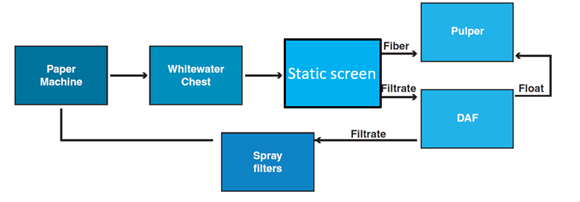
4. Какие приложения подходят для статических экранов? Полная справочная таблица
Руководство по применению статического грохота
Для каких задач подходит статический грохот — полная справочная таблица
| Применение | Пригодность | Оценка | Примечания |
|---|---|---|---|
| Грубое грохочение, предварительное грохочение | Очень подходит | ★★★★★ | Высокая производительность, низкие требования к точности — статический грохот экономически выгоден |
| Обезвоживание, обесшламливание | Очень подходит | ★★★★★ | Слив под действием силы тяжести, просто и надежно |
| Классификация кварцевого песка | Рекомендуется | ★★★★★ | Сильно абразивный материал — подшипники вибрационного грохота не выдерживают |
| Предварительная обработка пульпы | Рекомендуется | ★★★★★ | Удаление крупных частиц для защиты downstream оборудования |
| Обезвоживание хвостов | Подходит | ★★★★☆ | Комбинация статического грохота и обезвоживающего грохота для оптимальной стоимости |
| Производство щебня | Подходит | ★★★★☆ | Первичное грохочение — долговечно и экономично |
| Грохочение угля (сухой уголь) | Подходит | ★★★★☆ | Сухой уголь хорошо течет, статический грохот работает эффективно |
| Грохочение удобрений | Подходит | ★★★★☆ | Частицы правильной формы, низкий риск забивания |
| Очистка зерна | Подходит | ★★★★☆ | Удаление крупных примесей — статического грохота достаточно |
| Грохочение химического сырья | Подходит | ★★★★☆ | Зависит от характеристик материала — часто работает хорошо |
| Грохочение керамического сырья | Подходит | ★★★★☆ | Сильно абразивный материал — статический грохот служит дольше |
| Сортировка вторсырья | Подходит | ★★★★☆ | Первичная классификация дробленых материалов |
| Тонкое грохочение (<1 мм) | Средне | ★★★☆☆ | Меньшая точность по сравнению с вибрационным грохотом, более высокий риск забивания |
| Влажные липкие материалы | Средне | ★★☆☆☆ | Риск забивания — требует промывки |
| Многодечная классификация (3-5 фракций) | Не подходит | ★☆☆☆☆ | Статический грохот разделяет только на две фракции |
| Мокрое грохочение | Зависит | ★★★☆☆ | Требуется распыление воды — иначе легко забивается |
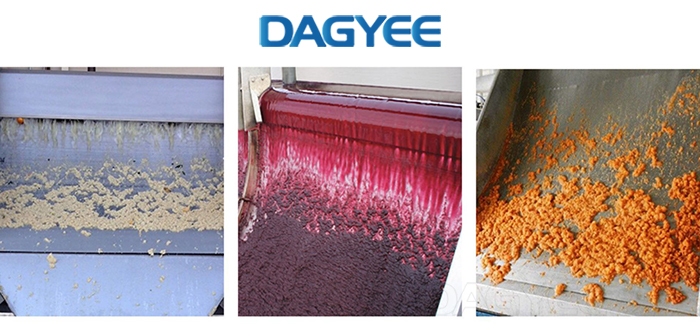
5. Статичный выбор экрана: 5 ключевых параметров, которые необходимо понимать
Выбор неправильных характеристик приведёт к снижению производительности сортировки. Эти пять параметров крайне важны:
Площадь сепарации определяет производительность. Чем больше площадь, тем выше пропускная способность.
Примерные значения:
• Грубая сепарация (>5 мм): около 15–30 тонн/час на квадратный метр (в зависимости от материала)
• Средняя сепарация (1–5 мм): около 5–15 тонн/час на квадратный метр
• Точная сепарация (<1 мм): около 2–8 тонн/час на квадратный метр
Рекомендация: При сомнениях выбирайте более крупную площадь. Недостаточная площадь сепарации приводит к плохому разделению, накоплению материала и разливам. Выбирайте площадь в 1,2–1,5 раза превышающую расчетное требование.
Параметр 2: Угол наклона экрана
Угол наклона определяет скорость потока материала и время просеивания.
Руководство по углу наклона грохота
Влияние угла наклона на скорость потока, время грохочения и область применения
| Угол | Скорость потока | Время грохочения | Лучше всего подходит для |
|---|---|---|---|
| 15°-20° | Медленная | Длительное | Тонкое грохочение, материалы, требующие тщательного разделения |
| 20°-25° | Средняя | Среднее | Стандартное грохочение — наиболее часто используемый диапазон |
| 25°-35° | Быстрая | Короткое | Грубое грохочение, высокая производительность, материалы, не склонные к забиванию |
Рекомендации:
• Для тонких материалов → небольшой угол (15–20°), чтобы увеличить время удержания
• Для крупных материалов → большой угол (25–35°), чтобы поддерживать поток и предотвращать скопление
• При неопределённости начинайте с 22–25°, затем корректируйте на месте
Параметр 3: Размер и тип открытия экрана
Размер открытия напрямую определяет результаты сортировки. Принцип отбора:
• Целевая размерность частиц = размер отверстия × 0,7–0,9 (поскольку частицы не являются идеальными сферами и проходят под углом)
• Пример: для улавливания материала <5 мм выберите отверстия диаметром 5,5–6 мм
Сравнение типов отверстий сита
Квадратные, щелевые или круглые — какой тип подходит для вашего материала?
| Тип | Преимущество | Недостаток | Лучше всего подходит для |
|---|---|---|---|
| Квадратные | Высокая открытая площадь, высокая производительность | Склонность к забиванию | Обычные материалы |
| Щелевые | Меньше забивание, направленные | Меньшая открытая площадь | Удлиненные частицы |
| Круглые | Точная калибровка | Малая открытая площадь | Сферические частицы |
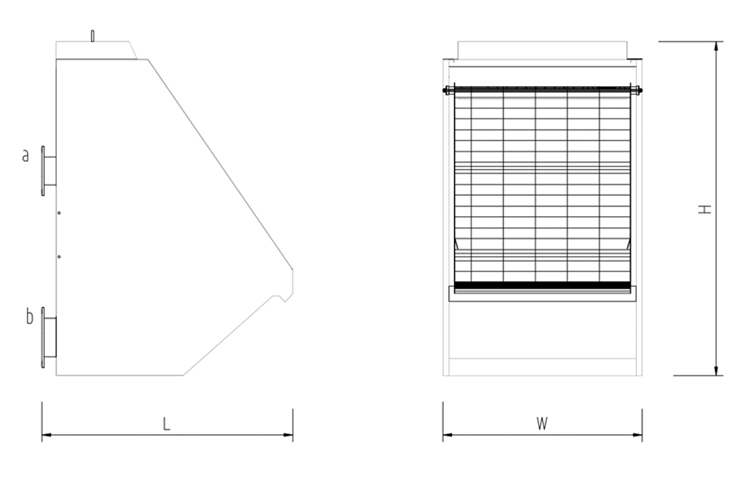
Параметр 4: Материал сетки экрана
Сравнение материалов сита
Углеродистая сталь, нержавеющая сталь, полиуретан или резина — какой материал подходит для вашей задачи?
| Материал | Стойкость к истиранию | Стоимость | Лучше всего подходит для |
|---|---|---|---|
| Углеродистая сталь | Средняя | Низкая | Материалы с низкой абразивностью, краткосрочное использование |
| Высокомарганцовистая сталь | Хорошая | Средняя | Материалы со средней абразивностью |
| Нержавеющая сталь 304 | Хорошая | Средне-высокая | Коррозионные материалы, пищевое производство |
| Полиуретан | Отличная | Высокая | Материалы с высокой абразивностью — служит в 3-5 раз дольше стали |
| Резина | Хорошая | Средняя | Стойкость к истиранию, виброгашение, низкий уровень шума |
Рекомендация: Для сильно абразивных материалов, таких как кварцевый песок и минеральные руды, настоятельно рекомендуется использовать полиуретановую сетку. Высокая первоначальная стоимость, но более низкая общая стоимость владения.

Новости по теме