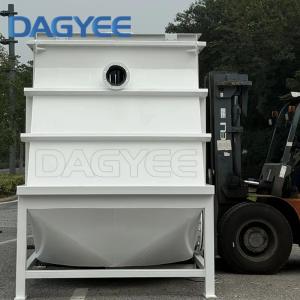
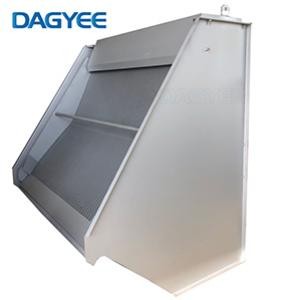
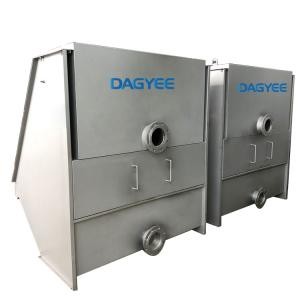
The DAGYEE Static Screen is a proven solution for pulp and paper mills seeking to recover valuable fiber from process water, dewater screen rejects, and reduce solids loading on downstream treatment systems. With no moving parts and zero energy consumption, it offers the lowest possible operating cost for solids removal in paper mill applications.
Paper mills generate large volumes of white water, clarified water, and effluent containing recoverable fiber. This fiber represents both a lost revenue opportunity and a treatment cost — it must be removed before discharge. The DAGYEE static screen captures this fiber efficiently, allowing mills to return recovered fiber to the process or sell it as a byproduct.
Working Principle
The static screen operates on a simple gravity-based principle with no moving components. Here's how it works:
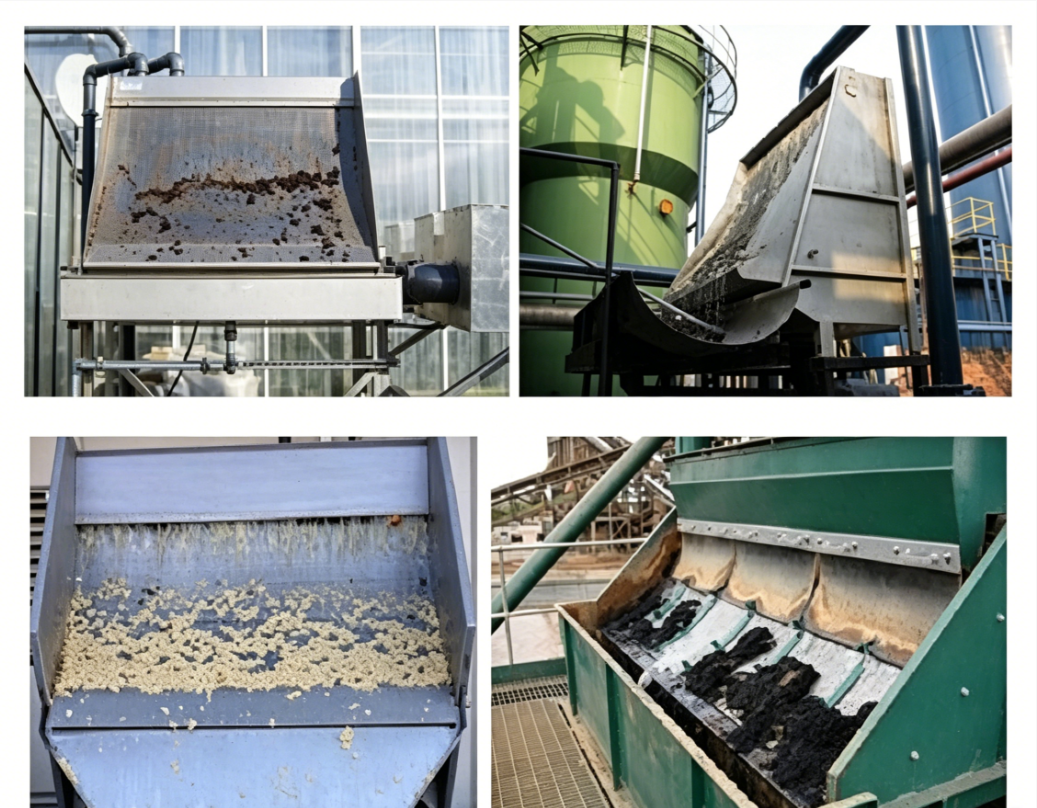
Uniform Water Distribution – Wastewater enters the screen box and flows over a weir, evenly distributing across the full width of the inclined wedge wire screen.
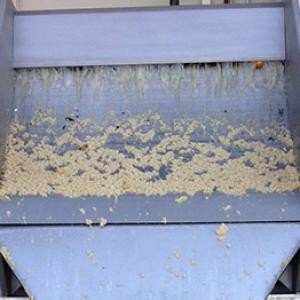
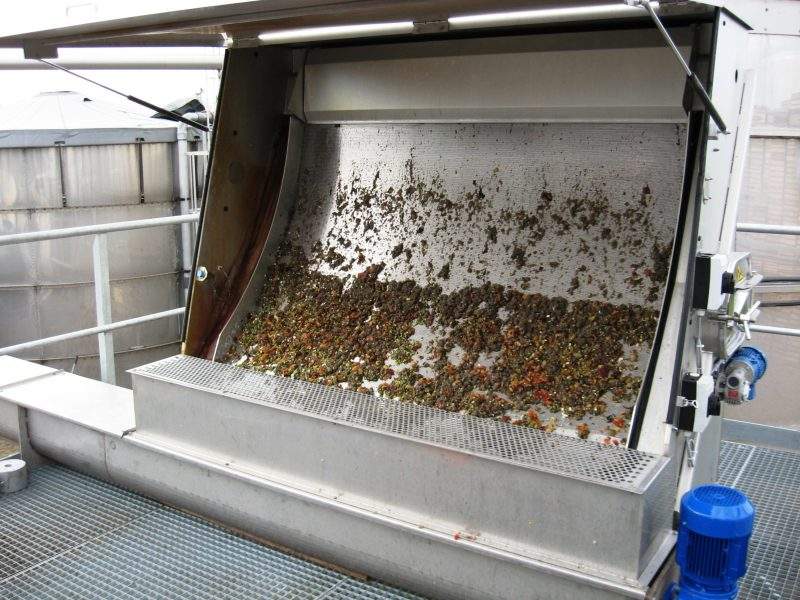
Solid-Liquid Separation – As water passes through the screen, liquid flows through the narrow gaps between the wedge wires. Suspended solids larger than the slot opening are captured on the screen surface.
Automatic Solids Discharge – Captured solids slide down the inclined screen surface under the force of gravity and the hydraulic push of incoming flow. They discharge continuously from the lower end of the screen without needing a scraper or mechanical conveyor.
Clean Filtrate Collection – The filtered liquid (filtrate) collects in a hopper or trough beneath the screen and flows to the next stage of treatment.
Slot openings are typically available from 0.25mm to 3.0mm, depending on the application and required removal efficiency.
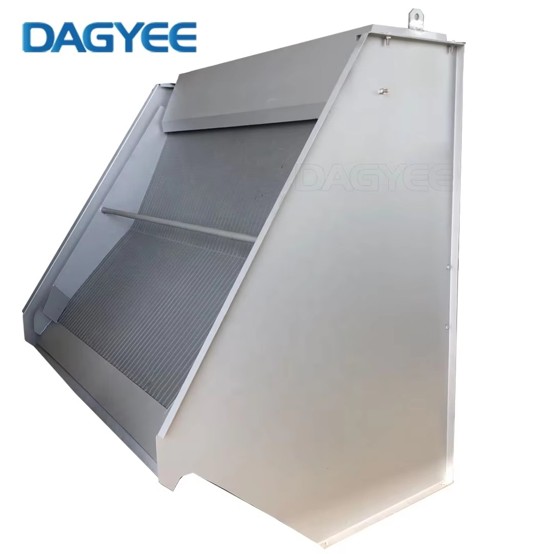
Table 1: 5-Year Total Cost Breakdown
| Cost Type | What's Included | % of Total (5 Years) |
|---|---|---|
| Purchase Price | Equipment, freight, installation | 30-40% |
| Operating Cost | Electricity, labor, auxiliary equipment | 20-30% |
| Maintenance Cost | Mesh, spare parts, repairs, downtime | 30-40% |
The more expensive one actually saves you money. That's why you need to look at the big picture.
Key Features
| Feature | Description |
|---|---|
| No Moving Parts | Zero motors, bearings, or drives. Operates entirely by gravity and hydraulic force. |
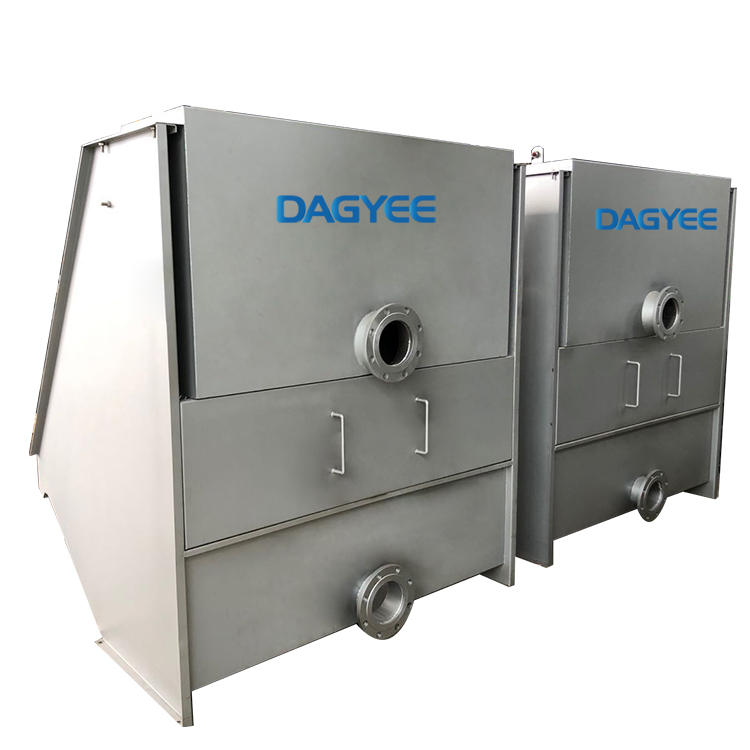
| Stainless Steel Construction | Made from SS304 or SS316 for excellent corrosion resistance and long service life. |
| Wedge Wire Screen | Self-cleaning profile wire design prevents blinding and maintains open area. |
| Adjustable Weir | Allows fine-tuning of flow distribution across the screen width. |
| Compact Footprint | Simple, space-saving design requires minimal installation area. |
| Low Head Loss | Requires only 0.5-1.5 meters of gravity head to operate effectively. |
| Easy Maintenance | No lubrication, no belt changes, no moving parts to wear out. |
| Customizable Sizes | Available in various widths and slot openings to match specific flow rates and solids loading. |
Advantages
1. No Energy Costs
Because the static screen has no moving parts and operates by gravity, it consumes zero electricity. For facilities running 24/7, this represents significant annual savings compared to mechanical screens.
2. Virtually Maintenance-Free
With no motors, bearings, or chains to maintain, the static screen requires only periodic visual inspection and occasional cleaning. No lubrication, no belt replacement, no gearbox oil changes.
3. Reliable 24/7 Operation
There are no mechanical components to break down. As long as water flows, the static screen keeps working. This makes it ideal for unattended or remote installations.
4. Self-Cleaning Screen Design
The wedge wire profile creates a continuous shearing action that helps dislodge trapped particles. This self-cleaning effect reduces blinding and maintains consistent hydraulic capacity.
5. Low Installation Cost
With no electrical connections, no control panels, and no moving parts, installation is simple and inexpensive. The unit can be placed over an open channel or flume with minimal civil work.
6. Environmentally Friendly
Zero energy consumption and no chemical additives make the static screen a green technology for solids removal.
7. Handles High Solids Loading
Static screens are particularly effective for applications with high concentrations of fibrous solids — such as paper mill effluent, slaughterhouse wastewater, or textile processing.
Technical Specifications
| Parameter | Details |
|---|---|
| Material | SS304 or SS316 stainless steel |
| Screen Type | Wedge wire (profile wire) |
| Slot Openings | 0.25mm, 0.5mm, 0.75mm, 1.0mm, 1.5mm, 2.0mm, 3.0mm |
| Screen Width | Customizable (typical: 500mm to 3000mm) |
| Inclination Angle | Typically 30°-60° (adjustable) |
| Head Loss Required | 0.5 - 1.5 meters |
| Hydraulic Capacity | Customized per project |
| Connection | Flanged or channel-mounted |
Applications
The static screen is suitable for a wide range of industries and applications:
| Industry | Application |
|---|---|
| Municipal Wastewater | Preliminary solids removal, grit bypass protection |
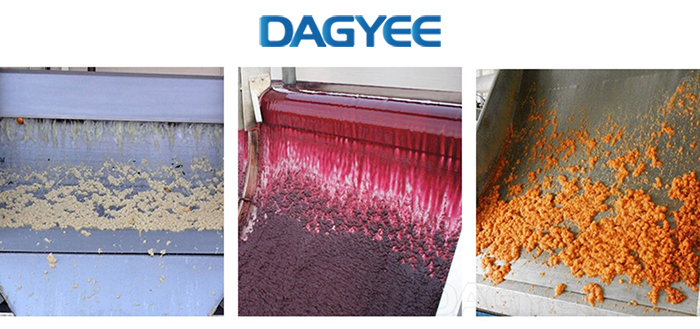
| Pulp & Paper | Fiber recovery, screen rejects dewatering |
| Food & Beverage | Solids removal from fruit/vegetable wash water, brewery effluent |
| Textile | Fiber capture from dyeing and finishing wastewater |
| Leather/Tannery | Hair and fleshings removal |
| Slaughterhouse | Solids capture from blood and wash water |
| Cooling Towers | Debris protection for tower fill and nozzles |
| Industrial Pretreatment | Primary solids removal before further treatment |
| Biogas / Digester Feed | Removal of inert solids from organic waste streams |
How to Size a Static Screen
To select the right static screen for your application, you will need:
1.Flow Rate – Peak and average flow (m³/h or GPM)
2.Solids Loading – Concentration and type of solids (fibrous, granular, etc.)
3.Slot Opening – Based on particle size you need to remove
4.Available Head – Height difference between inlet water level and discharge point
5.Channel Width – If installing in an existing channel
Contact DAGYEE with your site parameters, and we will recommend the optimal screen size and configuration.
Paper Industry Experience – DAGYEE engineers understand paper mill processes and challenges
Proven Performance – Dozens of static screens installed in pulp and paper mills worldwide
Rugged Construction – SS316 standard for paper mill applications
Fast ROI – Most installations pay for themselves in 3-12 months
Lowest Operating Cost – Zero energy, zero moving parts, minimal maintenance
Maintenance Guidelines
While the static screen requires far less maintenance than mechanical screens, we recommend:
| Frequency | Action |
|---|---|
| Daily | Visual inspection for excessive solids buildup or bypass |
| Weekly | Hose down screen surface to remove any stubborn debris |
| Monthly | Check for screen damage or wear; verify weir levelness |
| Quarterly | Inspect frame and supports for corrosion (unlikely with SS304/316) |
Maintenance Tip: For fibrous applications, periodic cleaning with a brush may be helpful. Avoid using high-pressure washers directly on the wedge wire at close range, as this can deform the screen profile.
Ordering Information
To request a quote or receive technical drawings, please provide:
DAGYEE – Reliable Solid-Liquid Separation Solutions
Just tell me:
.898.1.jpg "Industrial Wastewater Clarification System - Lamella Clarifier with Coagulant Dosing for High Turbidity")