No expansion of the pool, no reduction of the treatment capacity: Replace the primary sedimentation tank with a fine screen, and self-sufficiency of energy is not a dream
Fine Screen vs. Primary Clarifier: How to Cut Aeration Energy by 30% and Achieve Energy Self-Sufficiency
By DAGYEE – Water Treatment Specialist
Introduction: The Energy Dilemma of Wastewater Treatment Plants
If you run a wastewater treatment plant, you already know the drill. Energy prices keep going up. Discharge limits keep getting tighter. Your plant is running closer to capacity every year. And there's no room to build anything new.
For as long as anyone can remember, the standard answer to needing more capacity or better effluent quality has been the same: build a bigger primary clarifier. More concrete. More land. More money.But there's another way.
What if you could get better solids separation in one-tenth of the space? What if you could cut aeration energy by 30%? What if your plant could actually make its own electricity from the waste it treats?
This isn't some futuristic idea. It's happening right now at plants across Europe and North America. The trick is replacing conventional primary clarifiers with external-flow rotary drum fine screens.
This article walks through why plants are moving away from traditional primary clarifiers, how fine screens work, what kind of results people are actually seeing, and whether this approach might work for you.
This article explores:
2. The working principles and key advantages of external-flow rotary drum fine screens
3. Real-world case studies from Vohburg and Kahla, Germany
4. How this technology enables energy self-sufficiency
5. How DAGYEE can provide customized solutions for your facility
1. The Problem with Conventional Primary Clarifiers
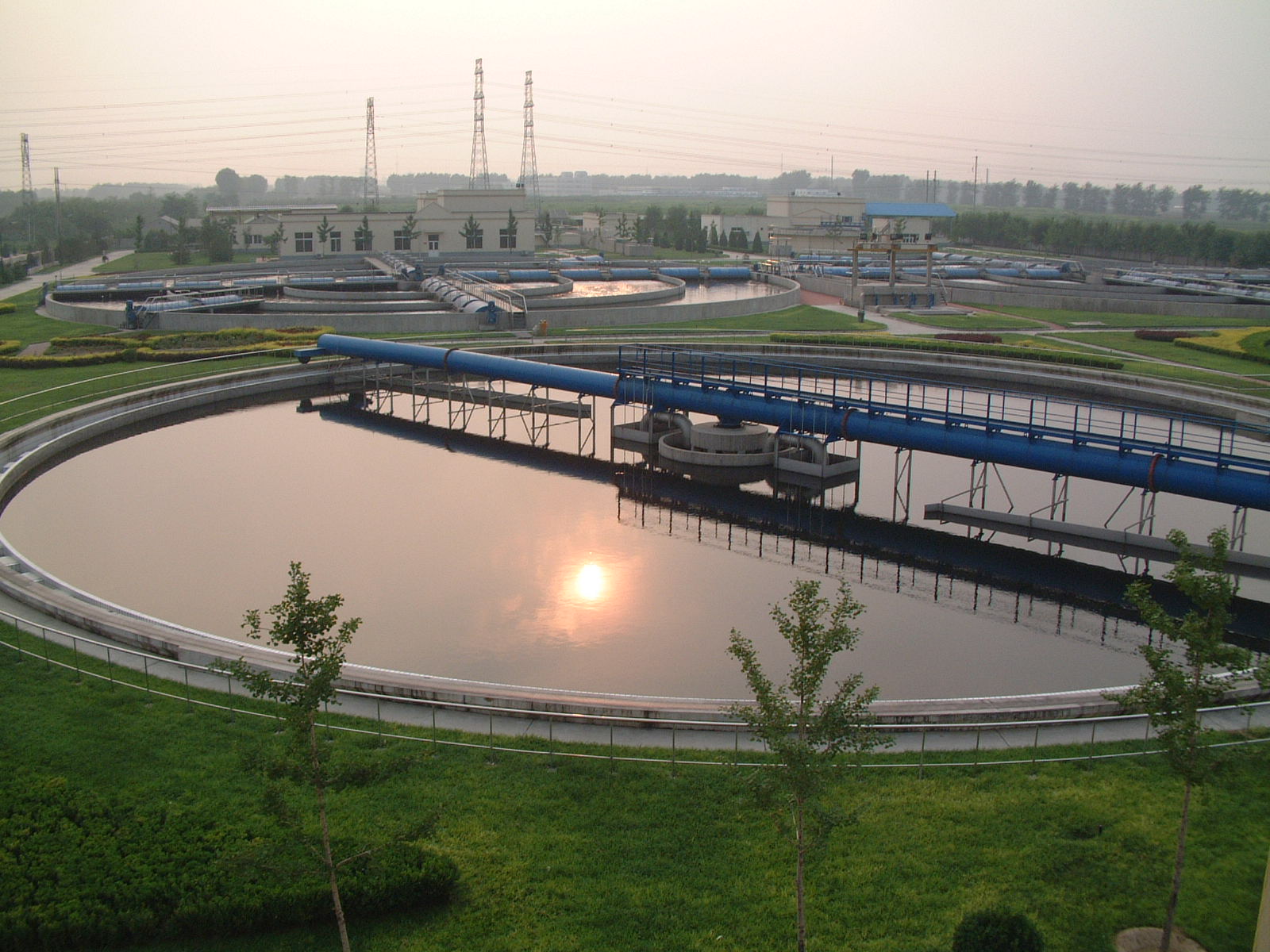
Primary clarifiers have been around for over a hundred years. The idea is dead simple: let wastewater sit in a big tank for an hour or two, and solids sink to the bottom. The settled sludge goes to anaerobic digesters. The clearer water goes on to biological treatment.
It works. But it comes with real downsides.The Space Problem
A primary clarifier needs one to two hours of retention time. That means a big concrete tank. For a plant treating 10,000 cubic meters a day, you're looking at hundreds of square meters of footprint. When you need to expand, you either build another one — if you have the land — or you tear down and rebuild. Neither is cheap or easy.
The Construction Headache
Building a concrete tank isn't a quick job. You're looking at three to six months of on-site work. Excavation. Forming. Rebar. Pouring. Curing. Weather delays are common. And once it's built, it's there forever. You can't move it. You can't easily change it. You're stuck.
The Efficiency Gap
A conventional primary clarifier removes about 25% of incoming COD. That means 75% of the organic load heads to the aeration basin. Every bit of that organic matter needs electricity to get oxidized. In plants with aerobic sludge stabilization — which is common for facilities under 50,000 population equivalents — aeration accounts for over 60% of total energy costs.Think about that. You're paying to treat organic matter that could have been caught upstream. It's like running your air conditioner with the windows open.
The Hidden Cost of Energy
For a typical 20,000 PE plant, aeration alone can cost €100,000 to €200,000 a year. When you add up the electricity needed to oxidize that 75% of COD that slipped past the primary clarifier, you're talking real money. Over ten years, it adds up to millions.And here's the kicker: those organic solids that slip through aren't just a cost. They're a missed opportunity. In a properly set up plant, they could be turned into biogas and used to make electricity. Instead, they get burned up in the aeration basin, costing you money both ways.
2. How External-Flow Rotary Drum Fine Screens Work
Instead of relying on gravity over hours, fine screens use physical filtration to catch solids in minutes.
The Basic Design
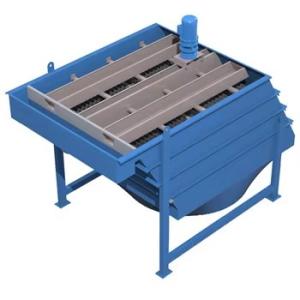
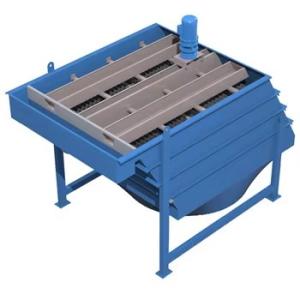
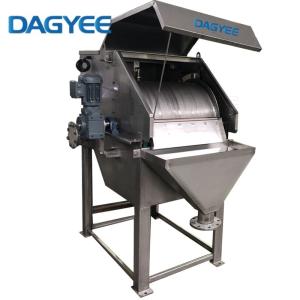
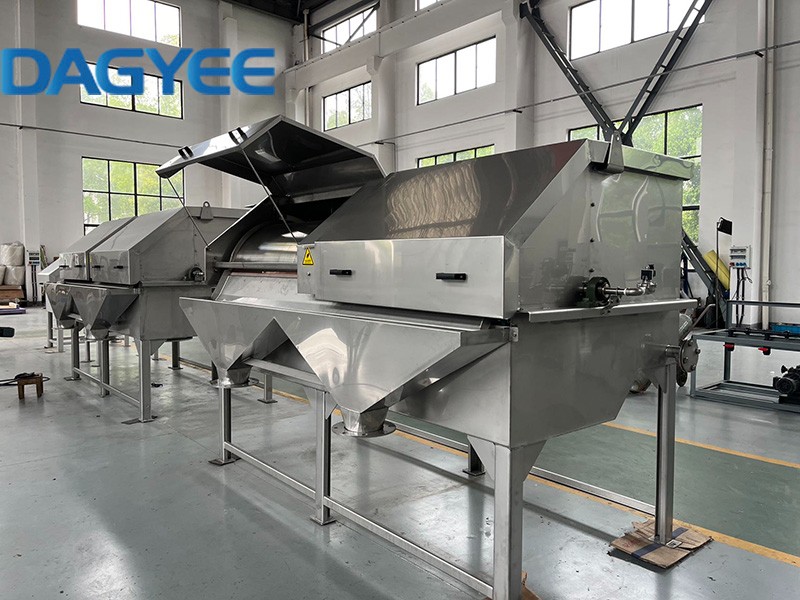
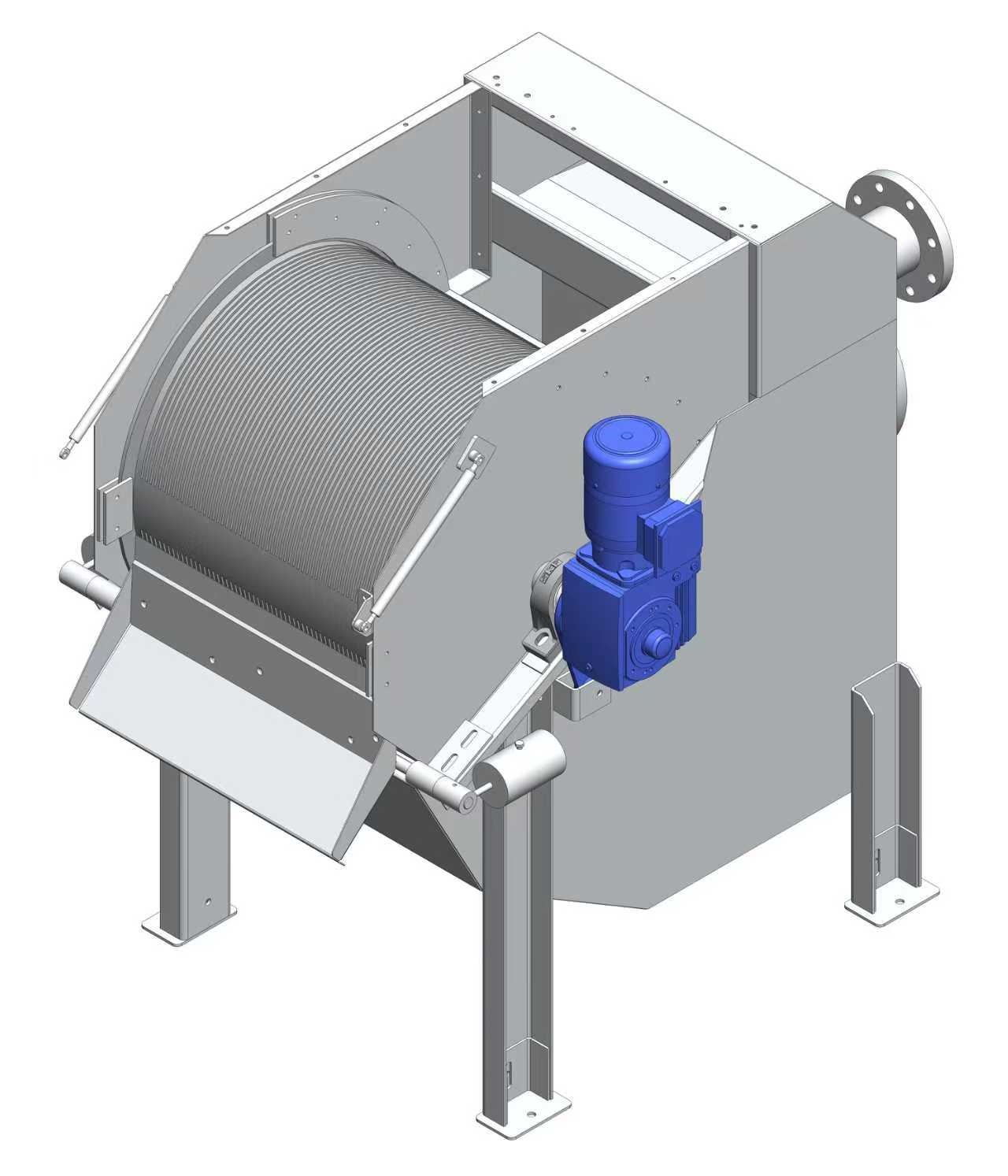
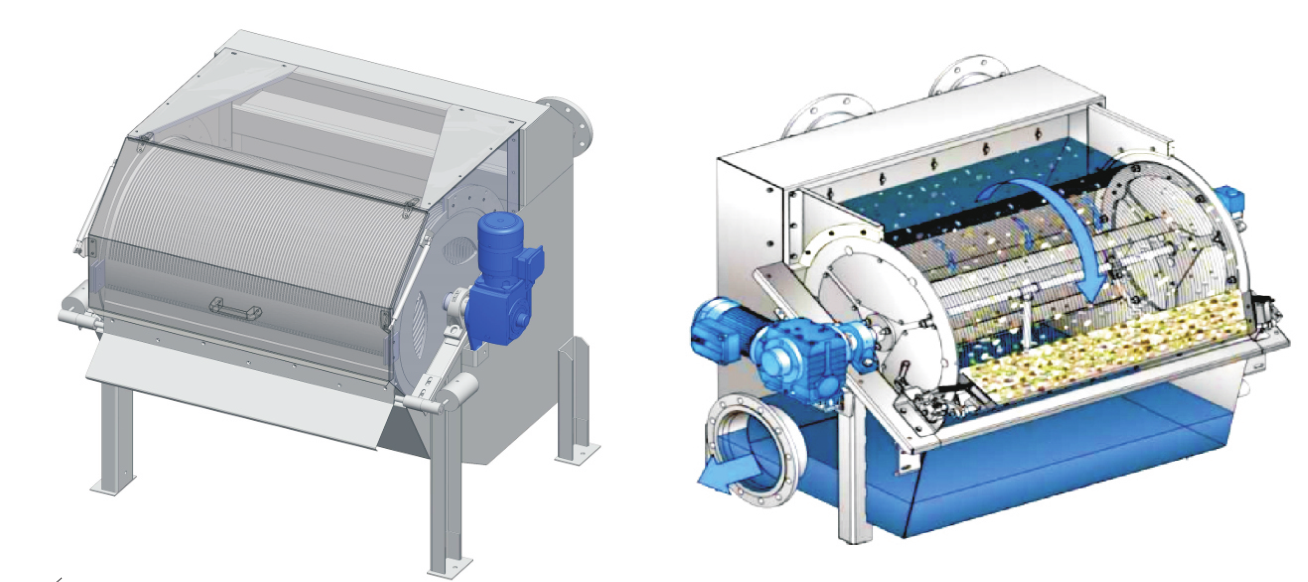
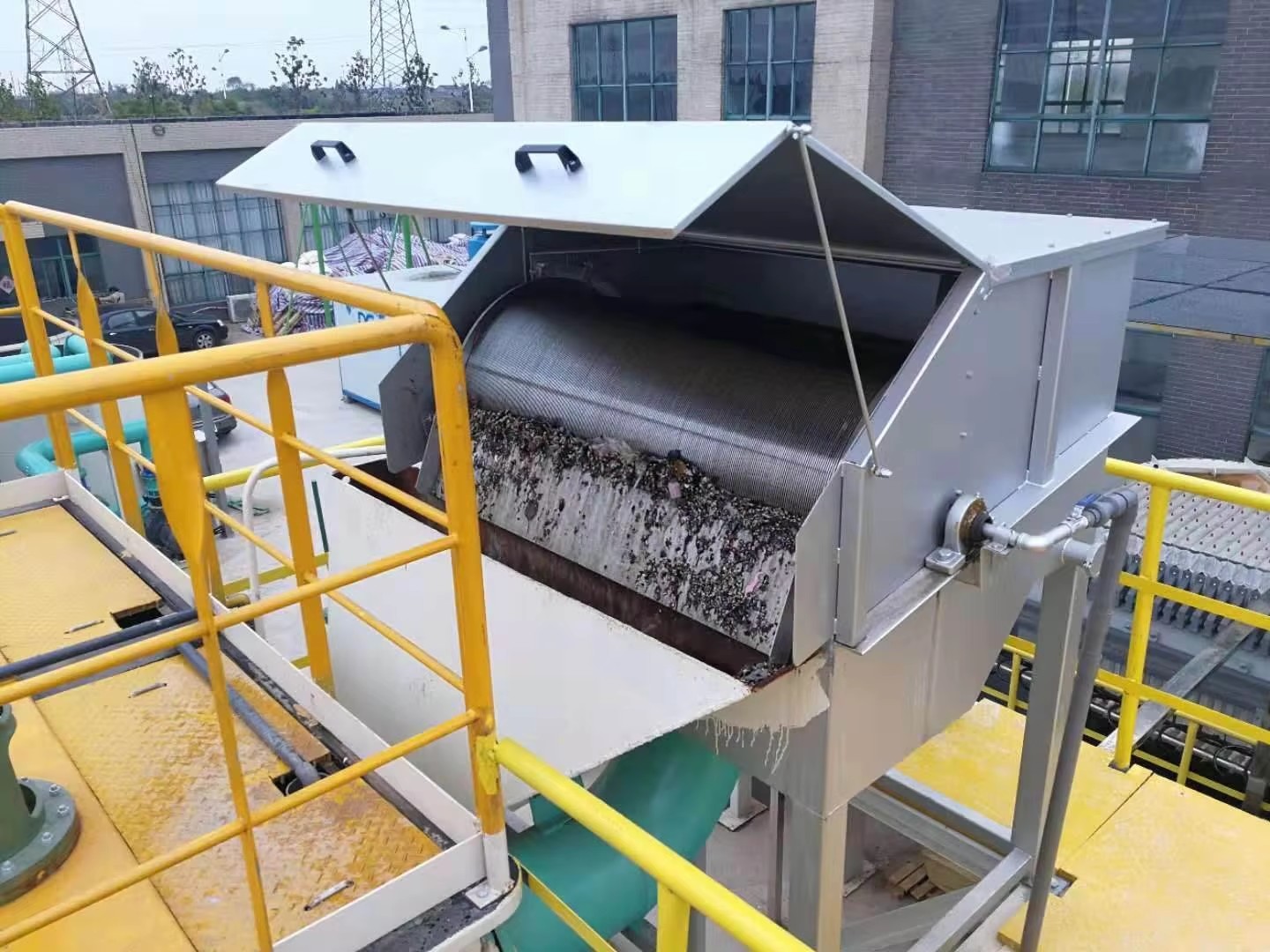
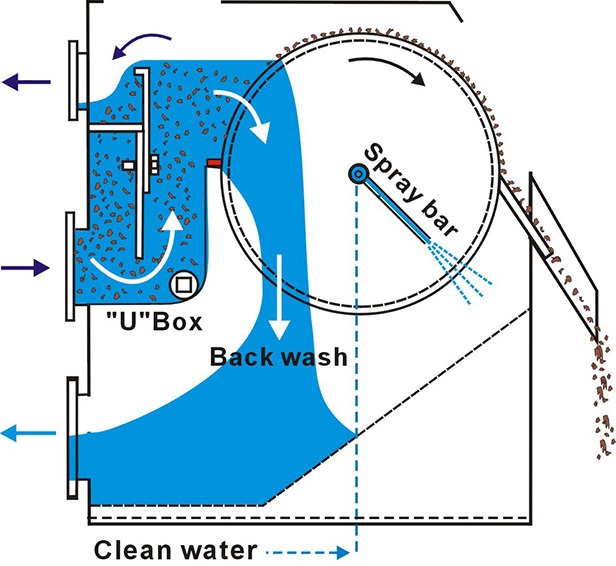
An external-flow rotary drum fine screen has a rotating drum covered with wedge-wire screen. Wastewater flows into a collection tank and overflows evenly onto the outside of the drum. Water passes through the screen into the drum interior. Solids get caught on the outside surface.As the drum turns, a doctor blade scrapes off the accumulated solids. They fall into a screw conveyor that moves them along and squeezes out water. What comes out is dry, dewatered screenings — typically 40-60% moisture — ready for disposal or, in some cases, for use as animal feed or soil amendment.
Why It Works Better
The big advantage is capture efficiency. Because the screen gaps can be as small as 0.2mm, far more solids get removed. Instead of 25% COD removal, you're looking at 50-60% or more.
The design also solves the clogging problems that plague other fine screens. The rotating drum constantly brings fresh screen surface into contact with the incoming flow. The doctor blade physically scrapes off anything that sticks. And internal spray bars rinse the screen with every revolution. It's a system that's meant to stay clean without someone having to mess with it.
A food processing plant we worked with had been struggling with a traditional fine screen that needed cleaning every day. After switching to an external-flow design with a doctor blade, cleaning dropped to once a week — and that was just for inspection. The plant manager told us: "Even with our greasy wastewater, the screen stays clean. We've cut maintenance time by 80%."
What About Maintenance?
One common worry with any screening equipment is how much work it's going to be. The nice thing about the external-flow design is that there are no moving parts underwater. Everything that moves is above water, easy to get to for inspection and repair. The rotating drum runs on bearings that are sealed and lubricated. The doctor blade is a simple mechanical device that lasts for years. The screw conveyor is built with heavy-duty components that can handle abrasive solids.In practice, most operators spend less than 30 minutes a week on their fine screen. Compare that to the hours spent on a primary clarifier — checking scum removal, adjusting weirs, dealing with floating sludge — and the difference is clear.
3. Energy Self-Sufficiency: How Fine Screens Change the Game
This is where things get interesting. When you catch more organic matter upstream, you're not just saving energy — you're making energy.
The Traditional Path
In a conventional plant with primary clarifiers, the settled sludge goes to anaerobic digesters. But because the clarifier only catches about 25% of COD, the digesters are underfed. Biogas production is modest. Most of the organic matter ends up in the aeration basin, using electricity instead of making it.
The Fine Screen Path
When you replace the primary clarifier with a fine screen, two things happen. First, you catch 50-60% of incoming COD — more than double what the clarifier caught. That means much more organic matter goes to the digesters. Second, you've reduced the load on the aeration basin, so you're using less electricity there.
The Energy Math
Let's run through an example. A typical plant treating 10,000 cubic meters a day with a COD concentration of 500 mg/L gets 5,000 kg of COD per day. With a primary clarifier, about 1,250 kg goes to the digesters. The rest — 3,750 kg — goes to the aeration basin, where it needs roughly 3,750 kWh of electricity to oxidize.With a fine screen, about 2,500-3,000 kg goes to the digesters. Only 2,000-2,500 kg goes to the aeration basin. That's a reduction of 1,250-1,750 kWh per day in aeration energy — a savings of 30% or more.
Meanwhile, the digesters are getting twice as much organic matter. Biogas production goes up. In many cases, it's enough to run a combined heat and power unit and cover 50% or more of the plant's electricity needs.
The Result
These are not isolated cases
The same pattern has been validated in wastewater plants across Europe, North America, and Asia
Capture more carbon → Send to digesters → Save energy while generating power
4. Beyond Energy Savings: Other Benefits
Protecting MBR Systems
If your plant uses MBR technology, you know how expensive membrane replacement can be. A single membrane module can cost tens of thousands of dollars. And the biggest threat to membrane life is fiber and particle carryover.Fine screens are essential for protecting MBR systems. A screen with 1.0mm openings can catch the fibers that would otherwise wrap around membranes and cause irreversible fouling. Plants that put fine screens upstream of their MBRs typically see cleaning frequency drop from monthly to quarterly, and membrane life extends by years.
Eliminating Rag Problems
A plant in Ohio had been running since 1986 with conventional bar screens that only caught big stuff. Rags and fibers passed through, building up in the system. Over 40 years, one oxidation ditch alone had 37 tons of debris. Cleaning was labor-intensive and disruptive.After putting in fine screens with 6mm perforations, the plant is now "rag-free." Storm surges no longer cause problems. Weekly debris removal dropped to just 1-2 cubic yards. The plant superintendent told us: "The new screens have made a world of difference. There are no rags anymore."
Improving Effluent Quality
The largest wastewater plant in Salzburg, Austria — handling over 100,000 cubic meters a day — upgraded to fine screens with 3mm slots and a 120-bar high-pressure cleaning system. Separation performance improved noticeably. Water consumption dropped because the high-pressure cleaning system uses less water than constant spray. Manual cleaning became a thing of the past.
Reducing Disposal Costs
The wet sludge from a primary clarifier typically has 95-97% moisture. That means you're paying to transport and dispose of water. Fine screens produce screenings with 40-60% moisture. Volume and weight are cut by half or more. Disposal costs drop accordingly.A slaughterhouse we worked with was spending a fortune on wet screenings disposal. After putting in a fine screen with an integrated screw press, screenings moisture dropped from 85% to 55%. Volume was cut by 65%. Disposal costs fell by nearly half. The facility manager said: "The dewatered screenings come out so dry they can go out as solid waste. That alone saved us significant money."
5. Fine Screen vs. Primary Clarifier: A Comparison
| Parameter | Primary Clarifier | External-Flow Fine Screen |
|---|---|---|
| COD Removal | 25% | 50-60% |
| Footprint | Baseline | Only 10-15% |
| Installation Time | 3-6 months | 1-2 weeks |
| Aeration Energy | Baseline | 20-30% lower |
| Solids Disposal | Wet sludge (>95% moisture) | Dry screenings (<60% moisture) |
| Biogas Potential | Moderate | High |
| Relocatable | No | Yes |
| Maintenance | Mechanical scrapers, weirs | Simple components, easy access |
The space savings alone can be transformative for plants in urban areas where land is expensive or just not available. The German plant that replaced its primary clarifier with a fine screen not only avoided buying adjacent land — which would have cost €180,000 — but also freed up the existing clarifier space for other uses.
6. Is Your Plant a Good Fit?
Fine screens work well for many plants, but they're especially suited for certain situations.
Plants with Aerobic Sludge Stabilization
If your plant currently uses aerobic stabilization (common for facilities under 50,000 PE), you're spending a lot on aeration. Switching to a fine screen and anaerobic digestion can cut your energy bill dramatically. The captured organics feed the digesters, and the biogas they produce can offset your power costs.
Plants Running Out of Capacity
If you're hitting your treatment limits but don't have space to expand your primary clarifiers, fine screens offer a way to increase effective capacity without adding footprint. Because fine screens remove more COD, the aeration basin gets less load. That means you can treat more flow without expanding the basin.
Plants with High Energy Costs
If your electricity bills are a major concern, cutting aeration energy by 20-30% makes a real difference. Add in the value of self-generated power from biogas, and the numbers start to look very attractive.
MBR Plants
If you're running an MBR system, fine screening isn't optional. It's essential for protecting your membranes. The cost of membrane replacement far exceeds the cost of proper screening.
Urban Plants
If your plant is in a city where land is expensive and expansion is difficult, the space savings from fine screens can be transformative. You can increase capacity without buying additional land — or tearing down what you have.
Food and Beverage Plants
If you're treating wastewater from food processing, dairies, breweries, or slaughterhouses, the organic loads are high. That means the potential for energy savings is high. Fine screens capture more of that organic matter, send it to digesters, and turn it into power. The numbers work well in these applications.
Paper Mills and Textile Plants
If you're dealing with fiber-laden wastewater, fine screens do double duty: they capture fibers for recovery, and they reduce COD load on downstream treatment. Many paper mills find that the recovered fiber alone justifies the investment.7. How to Implement
Complete Replacement
If you're building a new plant or doing a major upgrade, you can replace primary clarifiers entirely with fine screens. This is the cleanest approach — one piece of equipment doing the job of a big concrete tank.
Partial Flow Treatment
If your primary clarifiers are overloaded but still serviceable, you can put in fine screens to treat part of the flow. This gives you the benefits of fine screening without a full replacement. It's a good way to test the technology and see the results before committing to a full upgrade.
Channel Retrofit
If you have existing channels that can fit fine screens, you can drop them in without major civil work. This is often the most cost-effective approach. The screens go in, connect to power and water, and start working. No excavation. No concrete. No months of construction.
8. DAGYEE External-Flow Rotary Drum Fine Screens
We've been building water treatment equipment for over 20 years. Our RDS series external-flow rotary drum fine screens are used in plants across Europe, North America, Southeast Asia, Africa, and the Middle East.
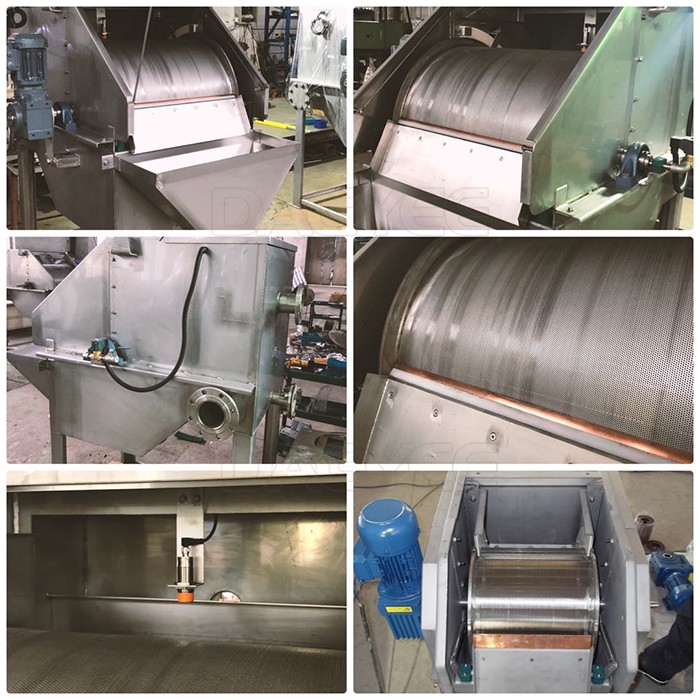
Every screen is built with SUS304 or SUS316L stainless steel. We don't use carbon steel with paint coatings because paint eventually peels, and when it does, corrosion starts. Our screens are passivated — a chemical treatment that creates a stable oxide layer on the surface. It's part of the metal, not a coating that can fail.
Screen Media
We use wedge-wire screens for maximum strength and open area. Slot sizes range from 0.2mm to 2.0mm, so you can match the screen to your wastewater. For MBR protection, we recommend 0.5-1.0mm. For municipal headworks, 3-6mm is typical. For fiber recovery, 0.5-1.0mm works well.
Drive and Controls
The screen drum is driven by a gear motor sized for continuous operation. The screw conveyor has its own drive, independent of the drum. The control system is PLC-based with a touchscreen HMI. You can set operating parameters, monitor performance, and get alarms if something needs attention.
Cleaning System
The cleaning system is the heart of reliable operation. Our screens use a combination of a doctor blade and high-pressure spray. The blade scrapes off sticky material that might otherwise cling to the screen. The spray rinses the screen surface with every revolution. Optional air knife systems are available for applications where water use needs to be minimized.
Screw Press
The screw conveyor includes a dewatering section that squeezes screenings down to 40-60% moisture. This isn't an add-on — it's built into the unit. The screenings come out dry enough to handle easily, and disposal costs are much lower than with wet sludge.
Model Range
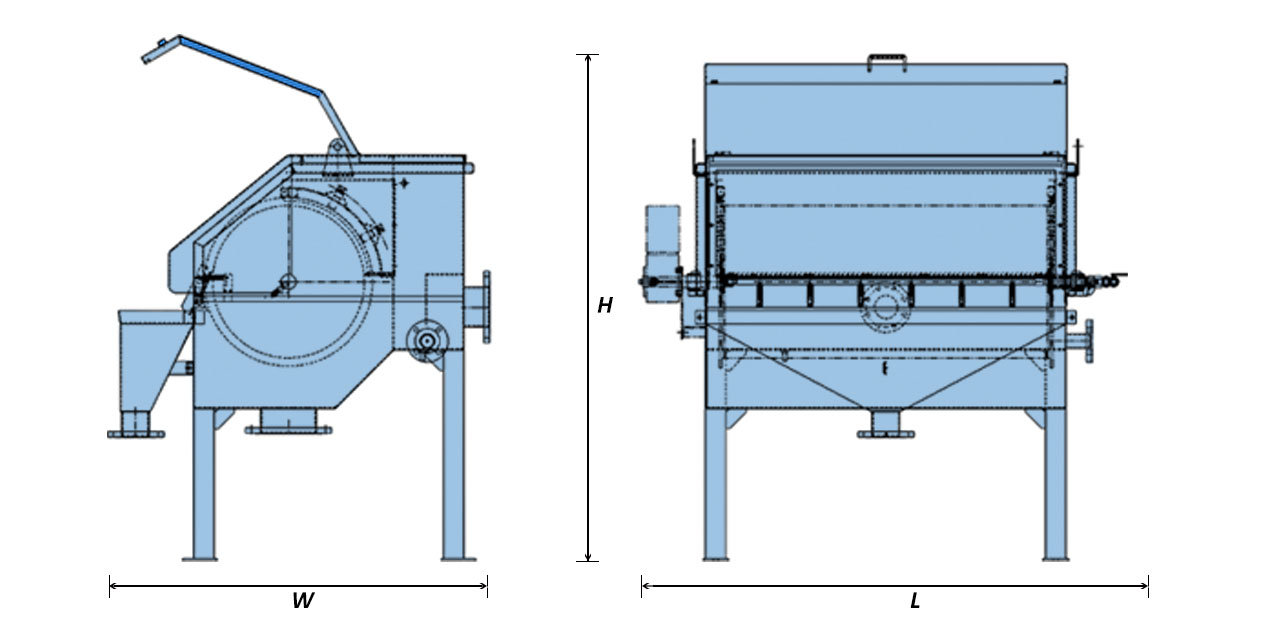
We offer nine standard models, with flow capacities from 4 to 400 cubic meters per hour per unit. Larger plants can use multiple units in parallel. We can also customize to your specific needs.| Model | Flow Capacity | Best For |
|---|---|---|
| RDS 03/300 | 4-12 m³/h | Small plants, pump station protection |
| RDS 06/400 | 15-40 m³/h | Medium food plants, slaughterhouses |
| RDS 06/700 | 30-75 m³/h | Organic capture, MBR protection |
| RDS 06/1000 | 45-110 m³/h | Primary clarifier replacement |
| RDS 06/1300 | 60-150 m³/h | Municipal plants, industrial parks |
| RDS 06/1600 | 75-180 m³/h | Paper mills, fiber recovery |
| RDS 06/2000 | 95-220 m³/h | Large municipal plants |
| RDS 08/2000 | 130-330 m³/h | Extra-large municipal plants |
| RDS 08/2500 | 160-400 m³/h | Mega-scale plants |
9. Conclusion: A Better Way
The evidence is clear. Fine screens deliver better solids removal, huge space savings, lower energy costs, and the potential for energy self-sufficiency. The plants that have made the switch aren't experiments. They're part of a global trend.
Energy prices aren't going down. Discharge limits aren't getting looser. Land isn't getting cheaper. The question isn't whether to upgrade. It's when.As one plant manager put it: "The cheapest equipment is often the most expensive in the long run." Fine screens cost more upfront than bar screens. But when you add up energy savings, lower disposal costs, and avoided capital spending, they pay for themselves many times over.
If you're thinking about replacing a primary clarifier or adding fine screening to protect downstream equipment, we can help. We offer free application assessments to understand your wastewater and treatment goals, custom designs that fit your site, fast quotations within 48 hours, and references from similar installations.
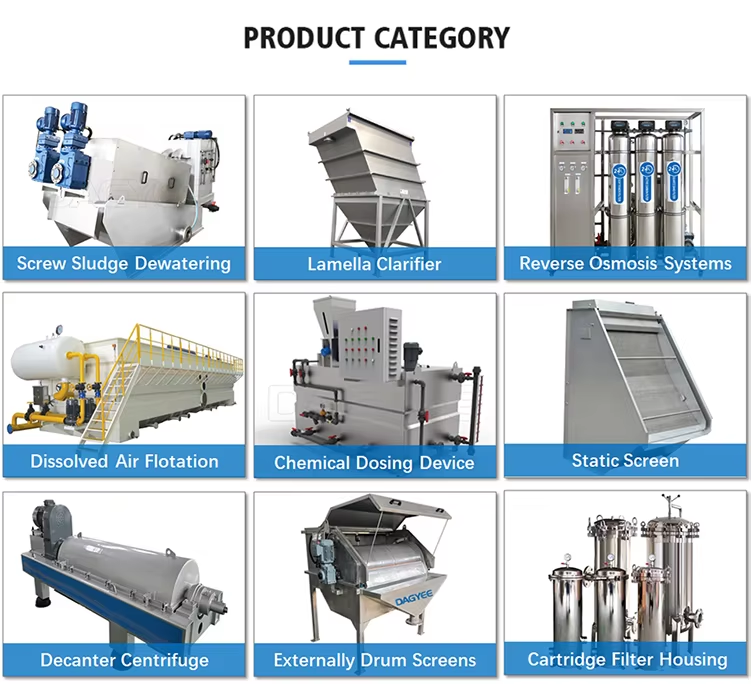
• External-Flow Rotary Drum Fine Screens — High-efficiency solids separation; primary clarifier replacement
• Lamella Clarifiers — Compact, high-rate sedimentation
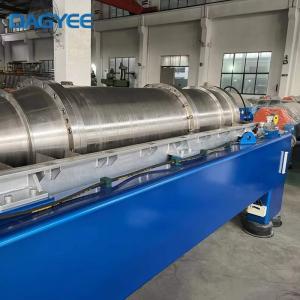
• Decanter Centrifuges — Sludge dewatering and solid-liquid separation
• Dissolved air flotation (DAF) — Oil, grease, and suspended solids removal
• Other Water Treatment Equipment — Customized to client requirements
DAGYEE has been designing and building water treatment equipment for over 20 years. Our product line includes external-flow rotary drum fine screens, internal-flow rotary drum fine screens, lamella clarifiers, decanter centrifuges, and Dissolved air flotation systems. We've shipped equipment to more than 50 countries worldwide.
Related News