Don't make the same mistake again with the grating! What's the difference between external water ingress and internal water ingress?
External-Flow vs. Internal-Flow Rotary Drum Fine Screens: How to Choose the Right Equipment for Your Wastewater Project
By DAGYEE – Water Treatment Specialist
Introduction: A Critical Choice That Determines System Success
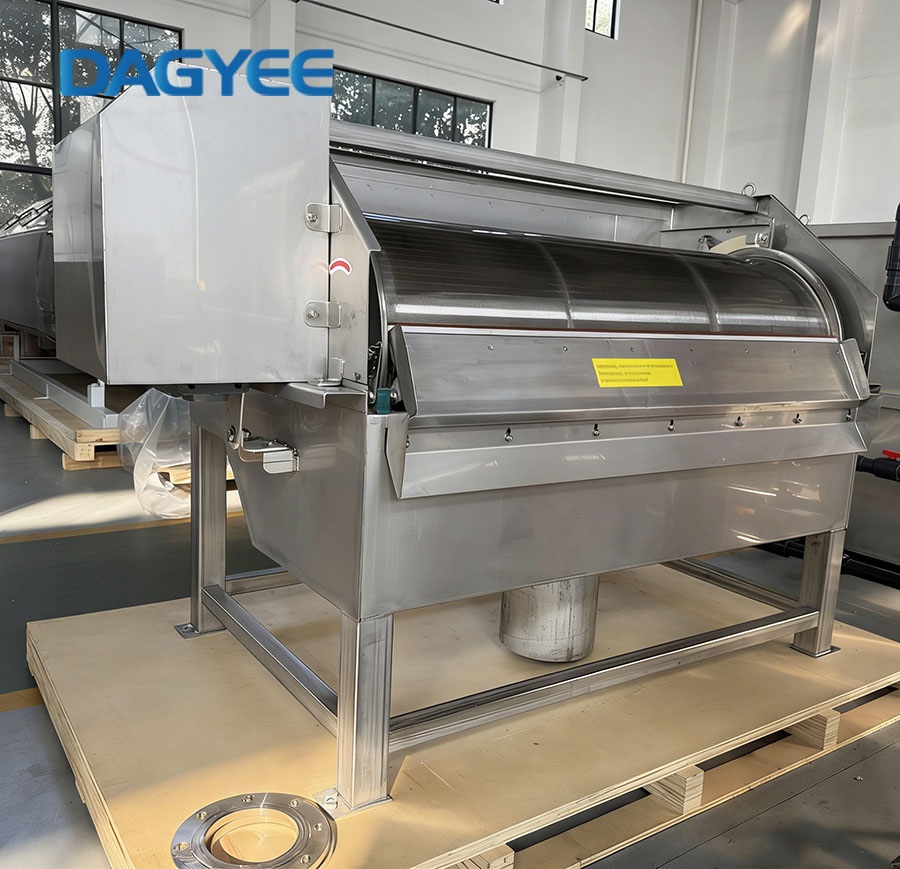
Among the various screening technologies out there, rotary drum fine screens have become a go-to choice for wastewater projects around the world. They offer high capture efficiency, a compact footprint, and the ability to self-clean. But there's one question that keeps coming up from plant owners and engineers alike: external-flow or internal-flow – which one is right for me?
Getting this decision right means longer MBR membrane life, pumps that stay clear, and lower maintenance bills. Getting it wrong? That's when you start dealing with fiber wrapping, constant clogging, membranes failing early, and operating costs going through the roof.
This article walks you through the real differences between external-flow and internal-flow rotary drum fine screens, draws on DAGYEE's hands-on project experience, and aims to help you make a choice that works for your specific setup.
1. Rotary Drum Fine Screens: The First Line of Defenses
What They Do:
• Catch fine solids: screen gaps from 0.2 to 3mm catch hair, fibers, and small particles that would otherwise pass through
• Dewater screenings: built-in screw press squeezes captured solids down to 40-60% moisture
• Protect downstream equipment: keep MBR membranes, pumps, and aeration systems safe from debris
Where DAGYEE Comes In
2. Core Differences: External-Flow vs. Internal-Flow
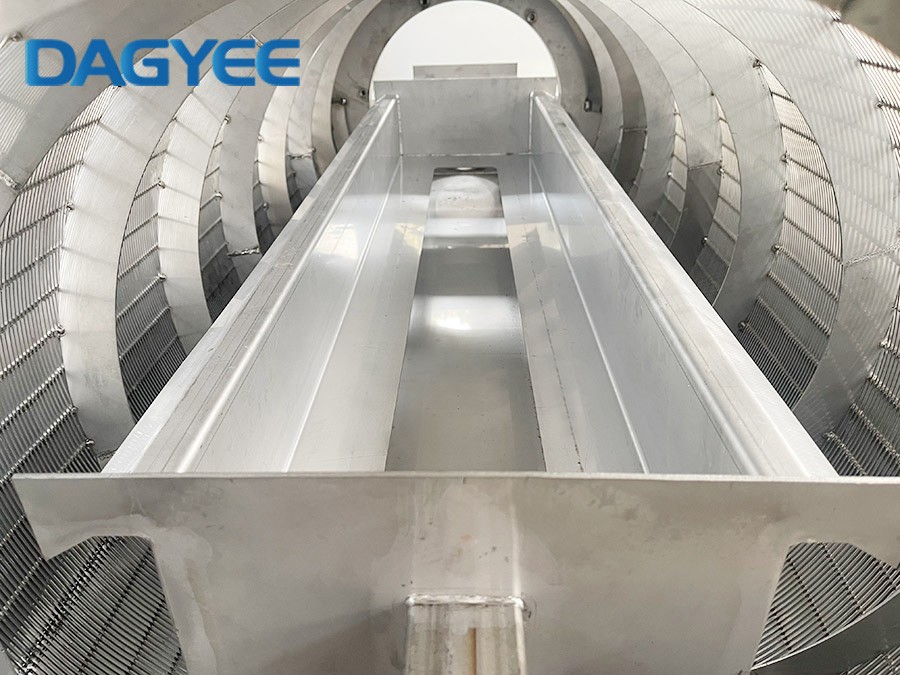
Internal-Flow Rotary Drum Fine Screens
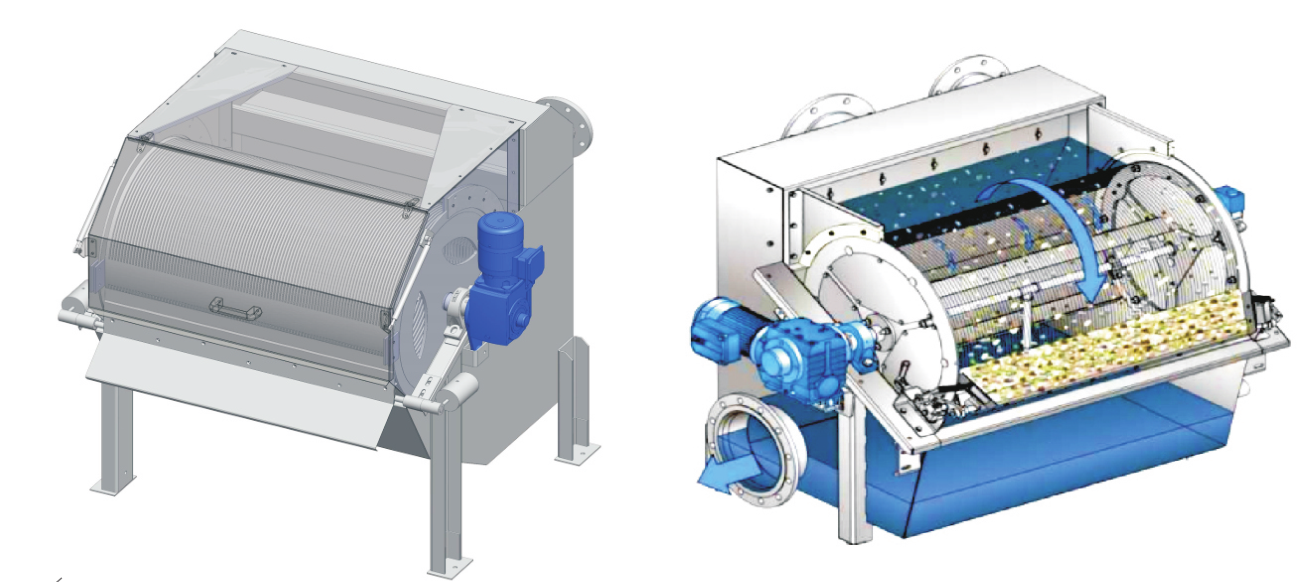
How it works: Wastewater goes into the drum through an internal feed pipe, then flows from the inside out through the screen. Solids get trapped on the inner surface of the drum, and as the drum rotates, they fall naturally into the hopper below.
What it's good at:• Handling wastewater with lots of fibers
• Giving you flexibility in screen media choices
• Dealing with flow changes without missing a beat
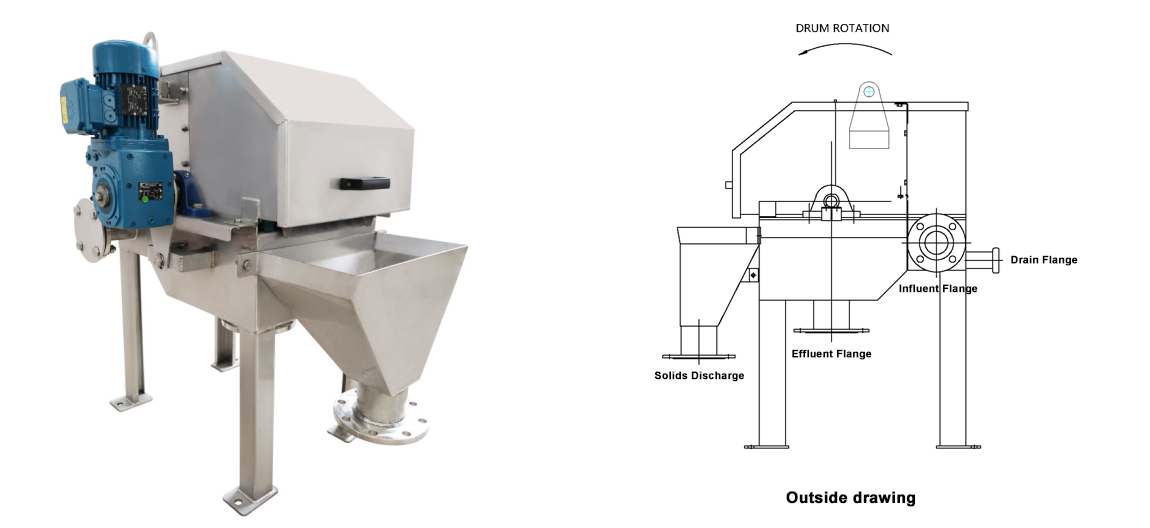
How it works: Wastewater flows into a collection tank and overflows evenly onto the outside of the rotating drum. Water passes through the screen from the outside in, while solids stay on the outer surface. A doctor blade scrapes them off into the hopper.
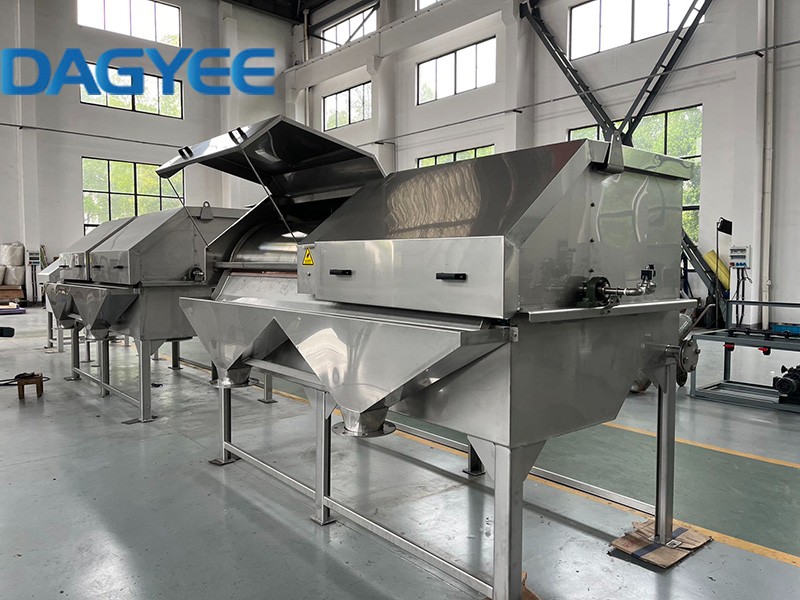
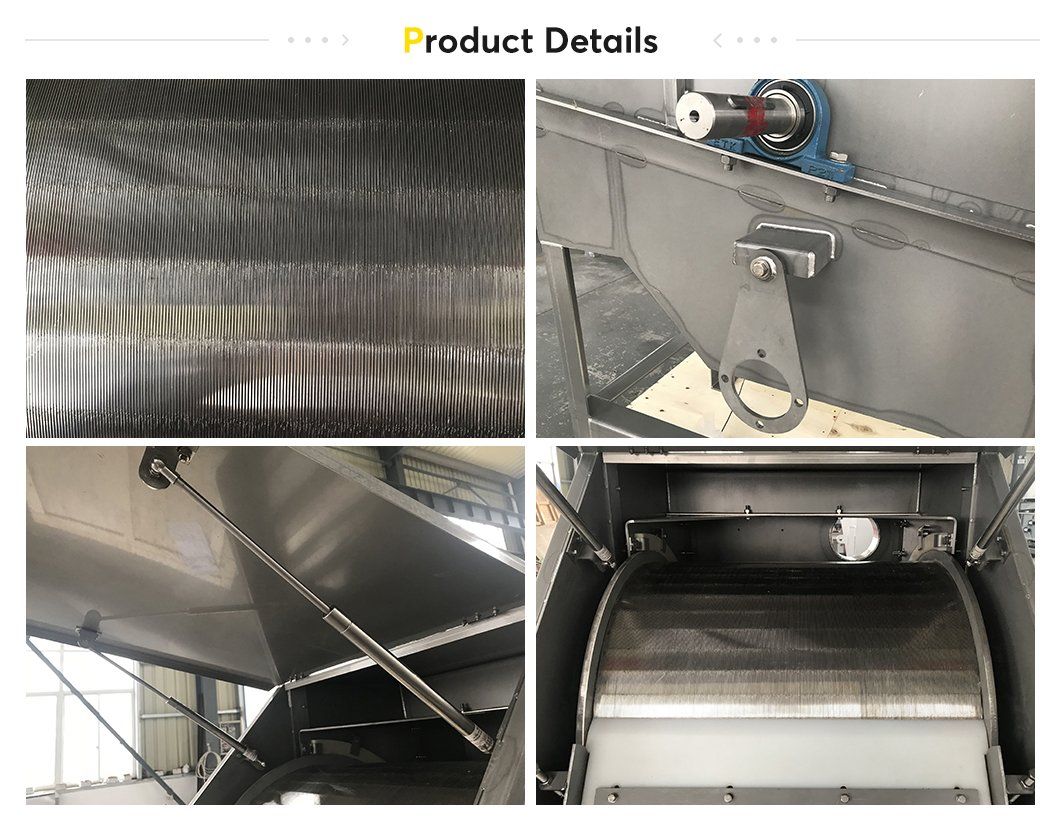
• Staying clean thanks to the doctor blade plus internal spray
• Tackling wastewater that's high in oil, grease, or sticky solids
• Working with very fine screen gaps (down to 0.2mm), which makes it a great fit for MBR protection
3. DAGYEE Project Case Studies
Case 1: Dealing with High-Fiber Wastewater Using an Internal-Flow Screen
A textile plant was having a tough time with the fibers in its wastewater. The old bar screens just weren't catching the fine stuff, and pumps were clogging up every couple of weeks. Production kept getting interrupted, and maintenance crews were spending way too much time unclogging equipment.We installed an RDI series internal-flow screen with 1.0mm wedge wire, sized to handle 150 m³/h. It dropped right into the existing channel – no major construction work needed.
The results: fiber capture went from 65% to 95%. Pump clogging stopped completely for six months. Manual cleaning dropped from four hours a week to one hour a month. The plant manager told us: "This screen handles the fibers like nothing else. We're not constantly worrying about pump blockages anymore."
Case 2: Handling High-Oil Wastewater with an External-Flow Screen
A food processing plant was dealing with a lot of grease in its wastewater. The old fine screen kept getting coated with oil film and needed cleaning every single day. The DAF unit downstream wasn't working as well as it should because solids were slipping through.
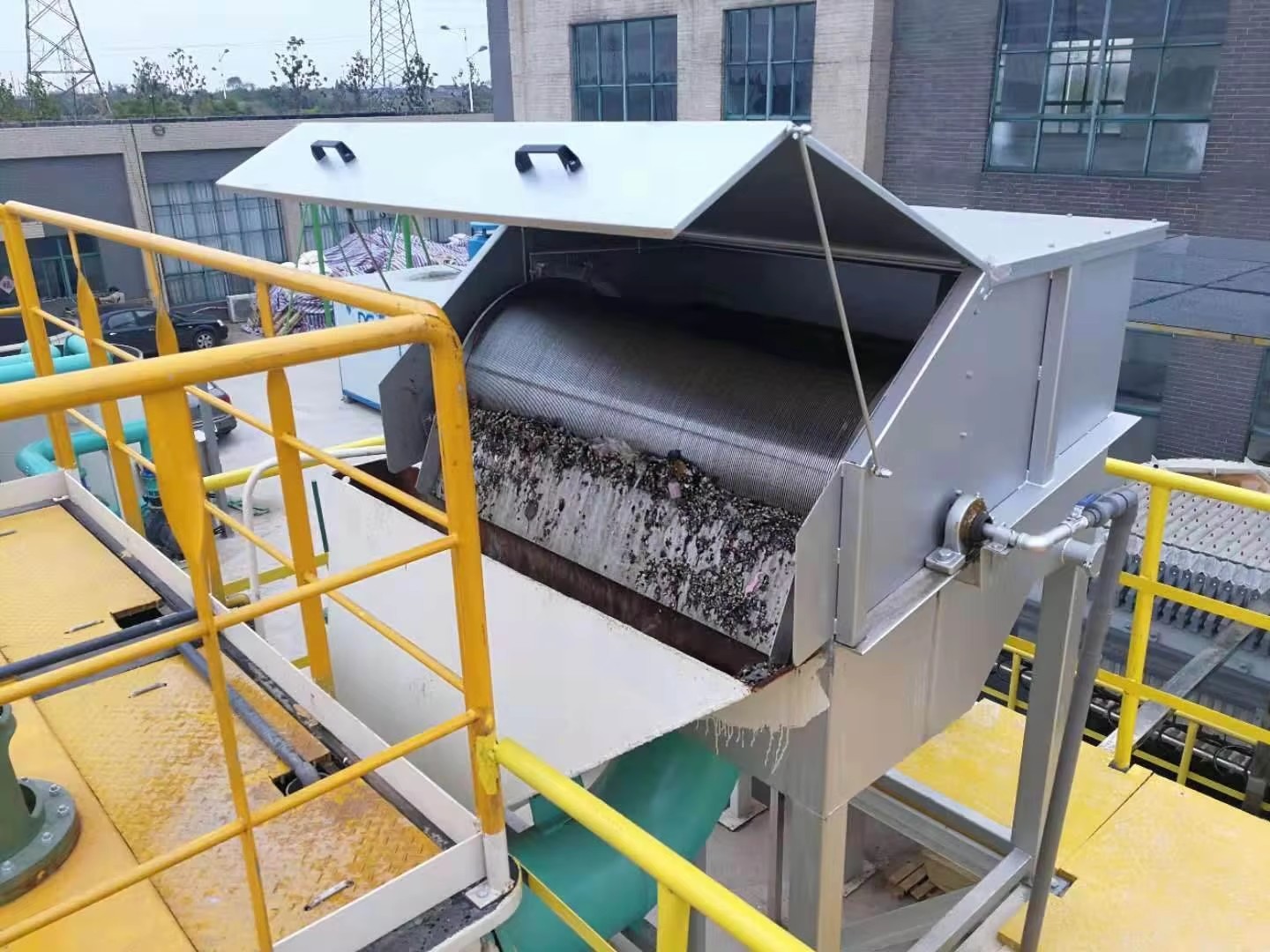
We put in an RDS series external-flow screen with 0.5mm wedge wire, equipped with a doctor blade and high-pressure spray. We installed it right before the DAF system.
The results: oil film buildup disappeared. Screen cleaning went from daily to just weekly inspection. DAF efficiency climbed from 75% to 92%. The operations manager said: "Even with all the grease, the screen stays clean. We've cut our maintenance time by 80%."
Case 3: Protecting an MBR System with External-Flow Screens
A municipal plant was expanding and adding MBR technology. They needed something upfront to catch the fine stuff – fibers and small particles that could damage those expensive membrane modules.
We supplied several RDS series external-flow screens with 1.0mm perforated plates. Each unit came with PLC controls and a screw press to dewater the screenings automatically.
The results: plant capacity reached 80,000 m³/day. Membrane cleaning frequency went from monthly down to quarterly. System uptime held at 99.5%. The plant engineer noted: "These screens have been running non-stop for 18 months now. Hardly any maintenance needed. The membranes are well protected."
Case 4: Upgrading a Municipal Headworks with Internal-Flow Screens
A city was growing, and the local wastewater plant needed to handle more flow. The old coarse screens weren't catching enough solids, and the primary clarifiers were filling up with sludge faster than they should.
We installed multiple RDI series internal-flow screens with 3mm wedge wire, set up in parallel to handle peak flows.
The results: sludge in primary clarifiers dropped by 30%. Solids capture went from 60% to 92%. The plant superintendent told us: "The internal-flow screens have really changed how our headworks performs. We're catching a lot more solids now."
Case 5: Solving Hair and Grease Problems at a Slaughterhouse
A slaughterhouse was dealing with the usual mix: hair, fat, blood solids. All of it was clogging up downstream equipment, and getting rid of the wet screenings was costing more than it should.
We installed an RDS series external-flow screen with 0.75mm wedge wire and a screw press for dewatering, placed at the front of the treatment train.
The results: solids capture went from 60% to 94%. Screenings moisture dropped from 85% to 55%, cutting volume by 65%. Downstream clogging stopped entirely. The facility manager said: "The dewatered screenings come out so dry they can go out as solid waste, and that's saved us a lot of money."
4. A Simple Framework for Choosing
Based on what we've seen in real projects, here's how to decide which screen fits your situation:
5. DAGYEE Product Overview
Built for MBR protection and high-oil wastewater. Does screening, cleaning, conveying, pressing, and dewatering all in one. Screen gaps from 0.2 to 2.0mm, flow capacity up to 400 m³/h per unit. Built with SUS304 or SUS316L stainless steel, PLC controlled with touchscreen HMI.
RDI Series Internal-Flow Rotary Drum Fine Screen
Built for high-flow municipal plants and wastewater with lots of fibers. Screen gaps from 0.3 to 6.0mm, flow capacity up to 600 m³/h per unit. Available with wedge wire, perforated plate, or wire mesh screens. PLC automatic control.
DAGYEE External-Flow Rotary Drum Fine Screen – Technical Specifications
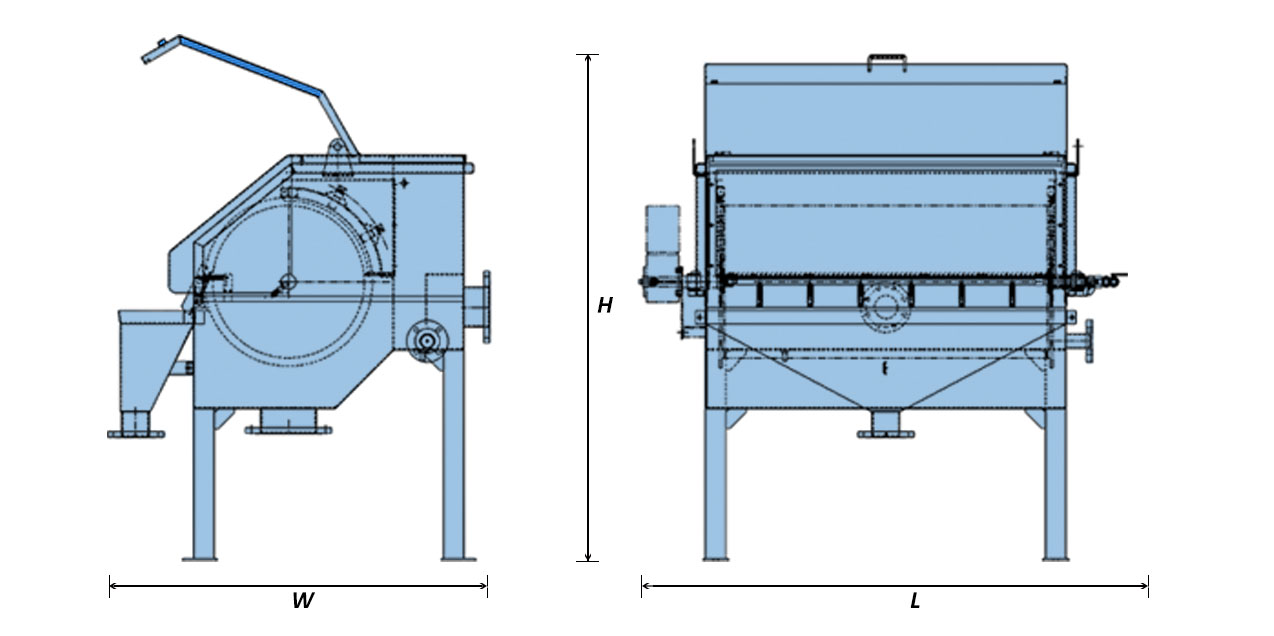
Selection Tip: Smaller slot sizes provide higher capture efficiency but lower flow capacity. DAGYEE offers slot sizes from 0.2mm to 6mm to precisely match your wastewater characteristics.
6. Conclusion: Get It Right from the Start
There's no universal "better" when it comes to external-flow versus internal-flow. It's all about what fits your situation.
Internal-Flow Makes Sense When:
• You're running a high-flow municipal plant
• You need flexibility in screen media choices
External-Flow Makes Sense When:
• You need to protect an MBR system (0.5-1.0mm gap)
• Your wastewater is oily or greasy (food plants, slaughterhouses)
• You want to dewater screenings to cut disposal costs
7. Ready to Upgrade Your Screening?
Get in Touch:
Free Application Assessment – We'll look at your wastewater and suggest what fits
Customized Design – Built around your flow, space, and treatment goals
Fast Quotation – Detailed estimate within 48 hours
Project References – We'll share examples of similar installations
Factory Tour – Come see our facility
About DAGYEE
DAGYEE has been designing and building water treatment equipment for over 20 years. We make external-flow rotary drum fine screens (RDS Series), internal-flow rotary drum fine screens (RDI Series), lamella clarifiers, decanter centrifuges, and DAF systems. Our equipment is out there in more than 50 countries across Europe, North America, Southeast Asia, Africa, and the Middle East.
Related News