
Ultrafiltration in Industrial Wastewater: 5 Industries That Rely on UF Membranes
Why Industrial Wastewater Treatment Can't Do Without Ultrafiltration? 5 Industries That Use It the Most
It's not optional. It's essential.
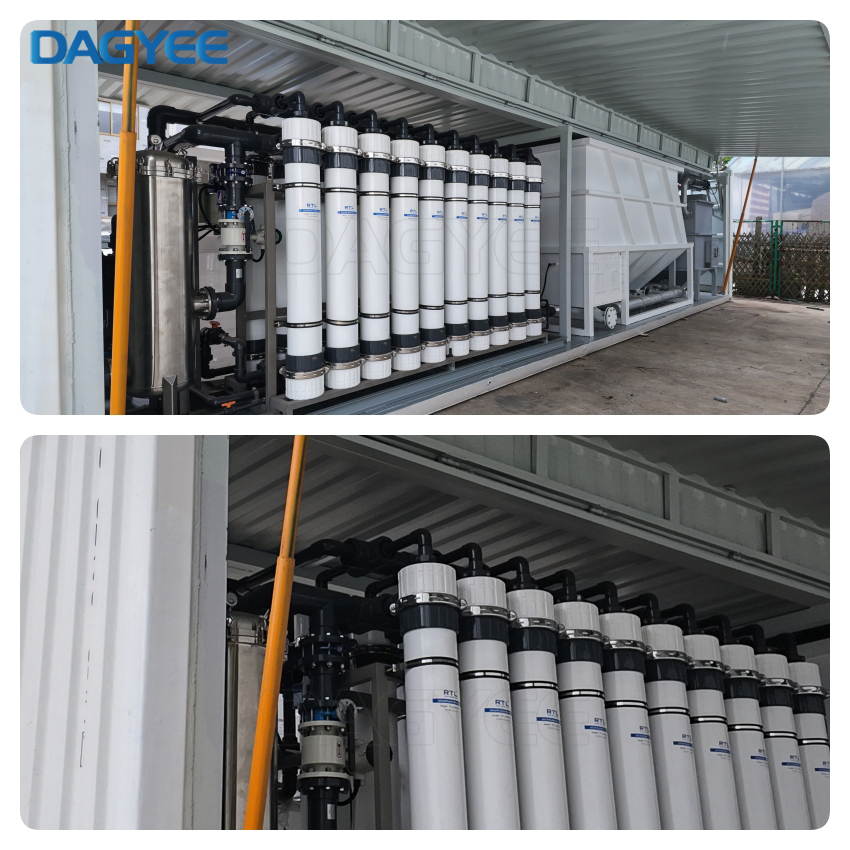
I've seen plenty of plants that installed RO systems without UF. Three months later, the RO membranes were so fouled they were practically useless. I've also seen textile mills that used sand filters + carbon filters as pretreatment. Effluent quality bounced up and down. After switching to UF, the whole system stabilized, and cleaning frequency dropped significantly.
Today, I'm skipping the deep theory. Let's talk about what UF actually does in industrial wastewater treatment, and which five industries use it the most.
Put simply, UF is a "sieve" — but with pores as small as 0.01-0.03 microns. At that size, it stops suspended solids, colloids, bacteria, and large organic molecules, while letting water and dissolved salts pass through.
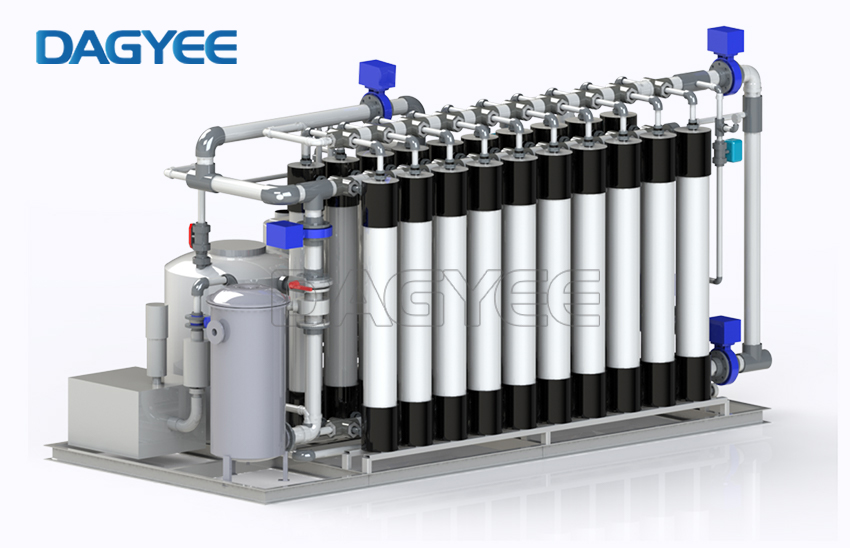
Place UF ahead of RO, and the RO membranes last much longer. A municipal reclaimed water reuse project in Linyi County used the "submerged UF + RO" dual-membrane process. The PVDF hollow fiber membranes removed suspended solids and bacteria before the water entered the RO system. The project treats 10,000 m³/day of tailwater for reuse by nearby industrial plants.
UF permeate turbidity can be consistently maintained at ≤0.1 NTU, with SDI ≤2.5. That water quality feeds directly into RO without any problems.
So the core value of UF in industrial wastewater is simple: it takes the hit for RO.
1. Chemical Industry
Chemical wastewater has complex composition — high concentrations of organics, heavy metals, acids/alkalis, and suspended solids. Traditional processes either cost too much or produce inconsistent results.
Material selection is critical in the chemical industry. Chemical wastewater often runs hot, has wide pH swings, and contains organic solvents — standard membrane materials won't hold up. PVDF offers good chemical resistance and can operate stably across pH 2-11, withstanding >2000 ppm chlorine for cleaning. Some projects use tubular UF membranes for high-concentration, high-suspended-solids specialty chemical streams.
Chemical plants also produce high-salinity wastewater, which requires comprehensive treatment. The Quanfu process — "ultrafiltration + primary RO + secondary RO + electric dialysis" — is one approach. Shandong Minxiang Chemical's high-salinity water project uses a full-membrane system treating 365 m³/h of high-salt wastewater at 90% recovery.
For the chemical industry, two things matter most: whether the membrane material can handle chemical attack, and whether the system can adapt to fluctuating water quality.
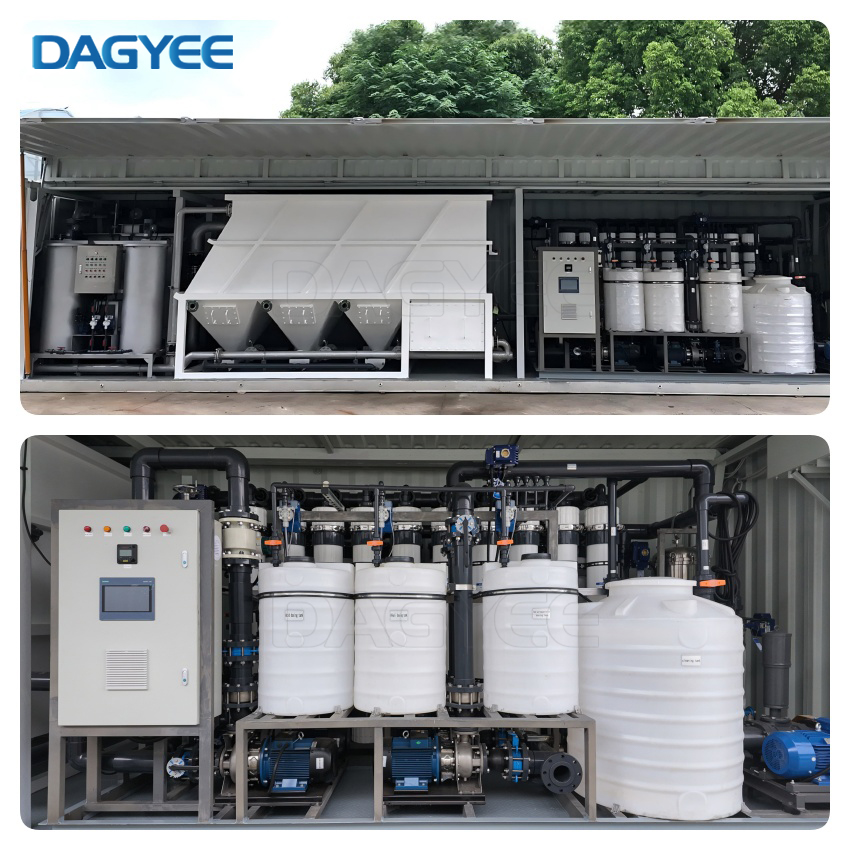
Textile dyeing and printing is a huge water consumer and a major wastewater generator. The industry discharges 1.8-2.0 billion tons of wastewater annually — about 11% of China's total industrial wastewater. Traditional treatment processes are long, take up large footprints, and produce inconsistent results.
A 2024 award-winning project from the China National Textile and Apparel Council tackled the "poor UF membrane performance" problem head-on. Professor Wang Haitao's team at Tianjin Polytechnic University developed fiber-reinforced hollow fiber UF membranes using a "fiber armor" strategy. The membranes achieve a breaking strength of over 300N, a pure water flux of 2000-4000 L/(m²·h), and a service life of over 5 years.
The Huafang Group wool textile dyeing project uses an integrated UF system from Suke Environmental, producing 1000 tons of water per day. The system requires no lengthy pretreatment, occupies 50-60% less floor space than conventional processes, and has a delivery lead time of less than one month.
The Suke system uses POREFLON membranes from Sumitomo Electric — a hydrophilic fluororesin material that lasts more than twice as long as PVDF. It uses reciprocating motion scrubbing instead of traditional air scouring, cutting energy consumption by over 90%. This shows that UF technology progress isn't just about the membrane material itself — system design innovation matters just as much.
3. Textile Industry
Textile and dyeing are often grouped together, but textile wastewater has its own characteristics. Beyond dyeing effluent, textile processing generates wastewater containing sizing agents, oils, and fibers.
A textile plant in North China used a "pretreatment + UF + RO" process for water reuse. The UF membranes ran for over three years, and flux decline was slower than expected. The issue was cleaning — one time, the alkali concentration wasn't controlled properly, and the membrane fibers became brittle. They adjusted the cleaning protocol, and the system has been running steadily since.
The "fiber armor" strategy for reinforced PVDF UF membranes is moving from the lab to full-scale applications.
4. Food Processing Industry
The main challenge with food processing wastewater is its high content of oils, proteins, and starches — all of which tend to adhere to membrane surfaces and cause fouling. So for the food industry, the first thing to address is anti-fouling performance.
Tubular UF membranes are widely used in food applications. DLM's tubular UF membrane uses PVDF material with a pore size of 30nm, a wide operating pressure range, maximum temperature tolerance of 90°C, and pH range of 2-12. The large inner diameter of tubular membranes makes them less prone to plugging by high-concentration suspended solids. The high cross-flow velocity also reduces concentration polarization and membrane fouling, extending membrane life.
For high-oil wastewater, tubular membranes or membranes with scouring features are recommended. Flat-sheet membranes are more vulnerable in these applications.
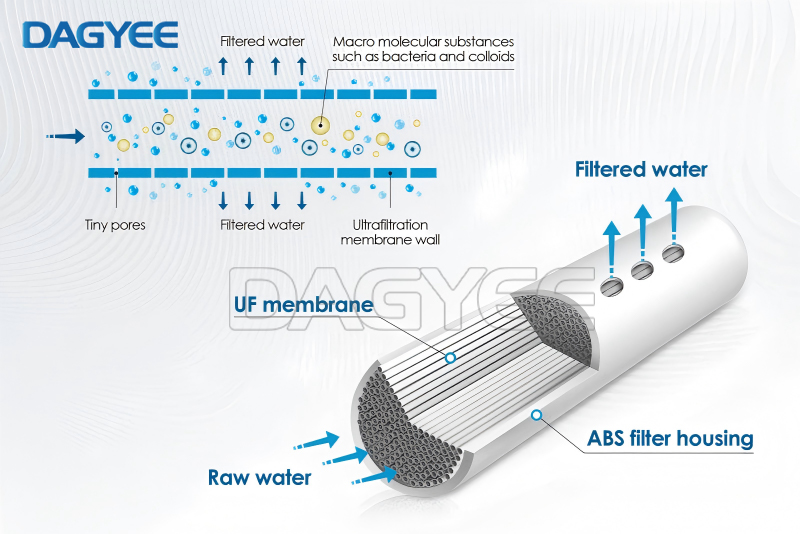
The primary concern in electroplating and surface finishing wastewater is heavy metal ions and complexes. UF membranes can't remove dissolved heavy metal ions directly, but they can capture heavy metal hydroxide precipitates and complexed flocs.
Tubular UF membranes have been used successfully in heavy metal wastewater treatment. They remove suspended solids and some organics through physical sieving. Some projects are also exploring the use of UF to recover valuable metal ions from wastewater — turning waste into a resource.
DAGYEE UF Membrane Technical Specifications
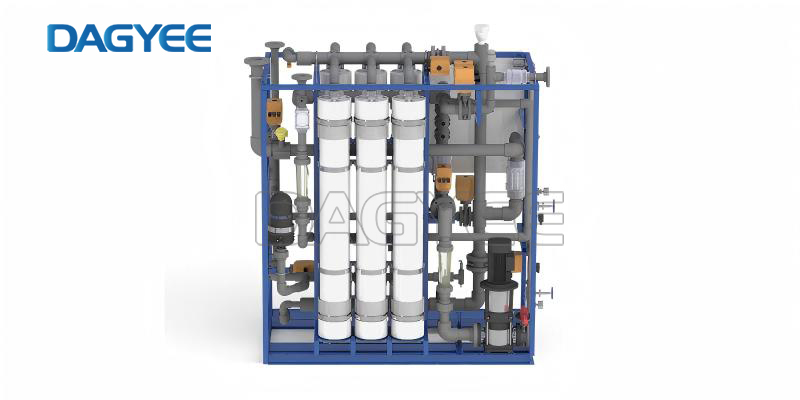
PVDF hollow fiber ultrafiltration membrane modules
| Parameter | Specification |
|---|---|
| Membrane Material | PVDF (Polyvinylidene Fluoride) |
| Nominal Pore Size | 0.01-0.03 μm |
| Fiber ID/OD | 0.7 / 1.3 mm |
| Effective Membrane Area | 40 / 80 / 100 m² (optional) |
| Operation Mode | Outside-in, cross-flow or dead-end |
| Permeate Turbidity | ≤ 0.1 NTU |
| Permeate SDI | ≤ 2.5 |
| Flux Range | 40-120 LMH |
| Feed pH Range | 2-11 |
| Operating Temperature | 1-40°C |
| Max Feed Pressure | 0.30 MPa |
| Max Transmembrane Pressure | 0.20 MPa |
| Max Backwash Pressure | 0.25 MPa |
| Max Chlorine Tolerance | 2,000 ppm |
| Max Feed Turbidity | 100 NTU |
| Housing Material | UPVC |
| Potting Material | Epoxy resin |
| Fiber Breaking Strength | ≥ 150 N |
Key Features: PVDF material with strong chemical resistance, high fiber strength (≥150N), stable permeate quality (turbidity ≤0.1 NTU, SDI ≤2.5). Suitable for drinking water, industrial wastewater, water reuse, and RO/NF pretreatment applications.
Strong chemical cleaning resistance: PVDF material with a proprietary formulation maintains good hydrophilicity while offering excellent chemical resistance — can withstand >2000 ppm chlorine cleaning.
Stable permeate quality: Uniform pore size distribution ensures high filtration precision. Permeate turbidity is consistently ≤0.1 NTU, bacterial removal >99.99%, SDI ≤2.5 — meeting RO feed requirements.
High fiber strength: Proprietary fiber-reinforced composite membrane technology delivers fiber breaking strength of ≥150N and a service life of over 5 years.
Outside-in configuration: High dirt-loading capacity and strong feed water adaptability. Air-water dual backwash makes cleaning simpler and more thorough, extending cleaning intervals.
Selection Guide
Based on feed water quality and treatment requirements, DAGYEE offers the following selection guidance:
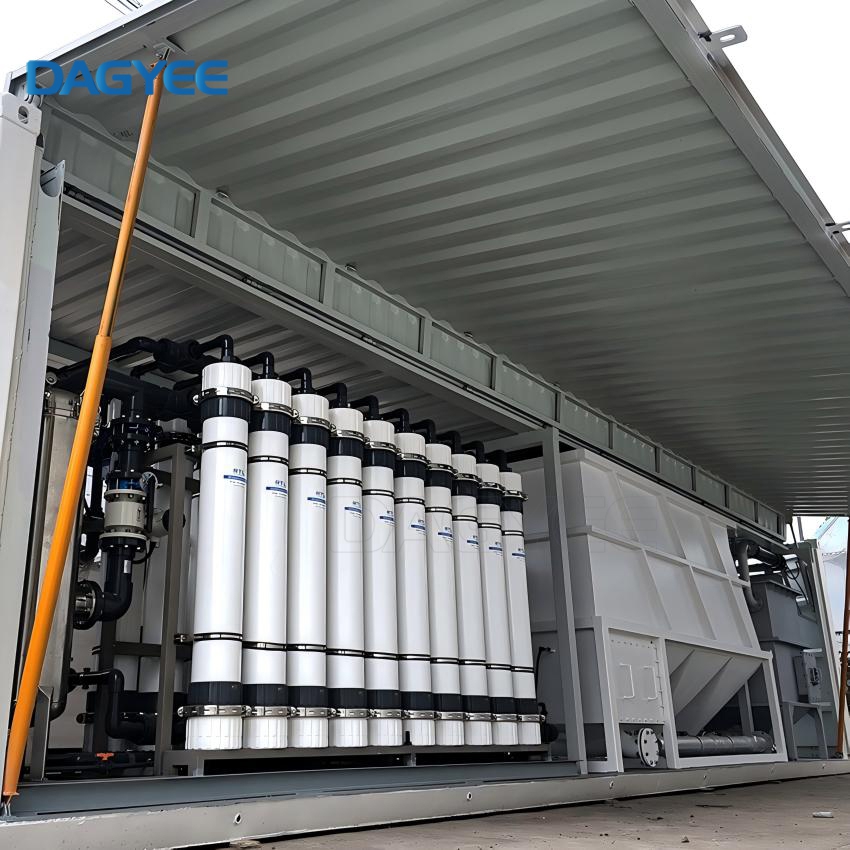
Recommended configuration by application
| Application | Recommended Model | Design Flux | Operation Mode |
|---|---|---|---|
| Surface water / drinking water | Standard | 60-100 LMH | Dead-end |
| Municipal wastewater / water reuse | Standard | 40-80 LMH | Cross-flow |
| Industrial wastewater | High-fouling resistant | 30-60 LMH | Cross-flow |
| RO / NF pretreatment | Standard | 50-90 LMH | Dead-end / cross-flow |
Selection Tip: For high-solids or high-fouling feed water, choose cross-flow mode with lower flux to extend cleaning intervals. For clean surface water, dead-end mode delivers higher recovery. Contact DAGYEE for site-specific recommendations.
Myth 1: UF removes dissolved salts. No. UF pore size is 0.01-0.03 microns — dissolved salt ions are much smaller and pass right through. Removing dissolved salts is RO's job.
Myth 2: UF never needs cleaning. Every membrane eventually fouls. The key is the right cleaning frequency and method. Good system design can extend chemical cleaning intervals to months.
Myth 3: Choose the cheapest membrane. Membrane material, manufacturer, and service life all vary. Saving money upfront can cost you much more in O&M later.
UF's role in industrial wastewater treatment is simple — it "bridges the gap." It takes the effluent from biological treatment and prepares it for downstream RO or reuse systems.
Chemical, textile dyeing, textile, food processing, and electroplating — these five industries have very different wastewater characteristics. But they all share the same logic for using UF: remove suspended solids and colloids so the downstream treatment system runs reliably and the water can actually be reused.
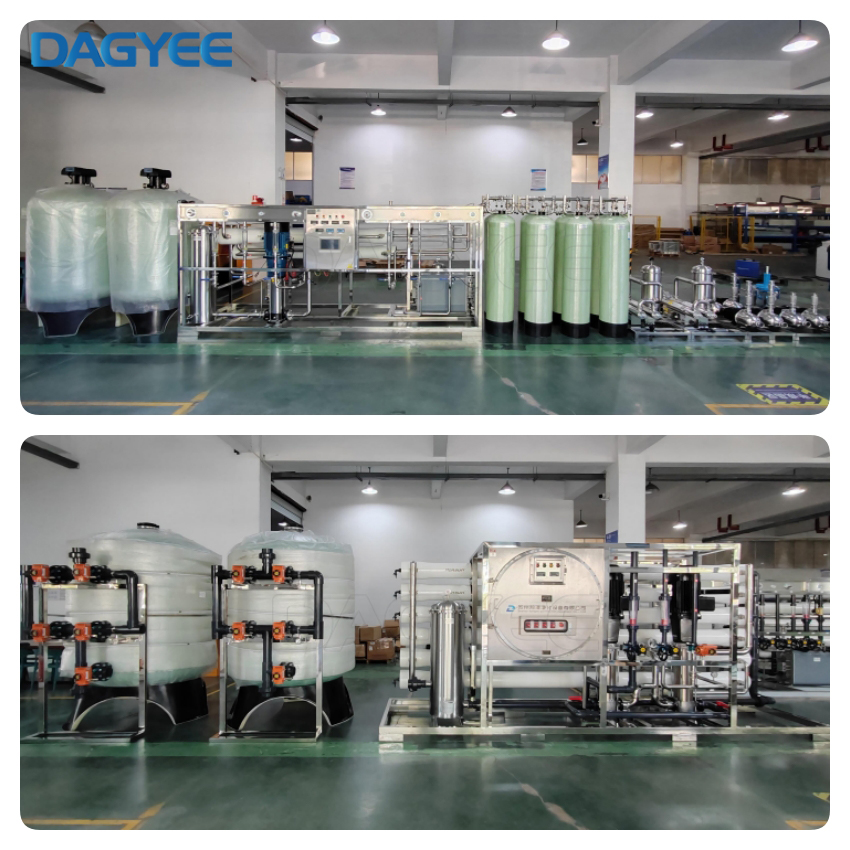
DAGYEE — Ultrafiltration Membrane System Solutions
DAGYEE UF membrane modules feature high-strength PVDF hollow fiber membranes, delivering permeate turbidity ≤0.1 NTU, SDI ≤2.5, and a service life of over 5 years. We provide reliable membrane separation solutions for municipal drinking water, industrial wastewater, water reuse, and RO/NF pretreatment applications.
Need UF selection advice or an industrial water reuse proposal? Send us your water quality data and project details. We'll recommend the right membrane system for your application.