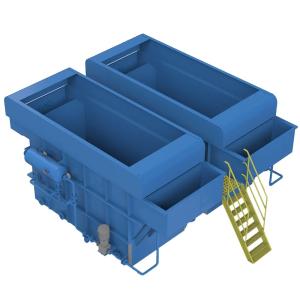

Screw Press Sludge Dewatering: 10 Years of Field Experience in One Guide
Screw Press Sludge Dewatering: A 10-Year Operator's Practical Guide
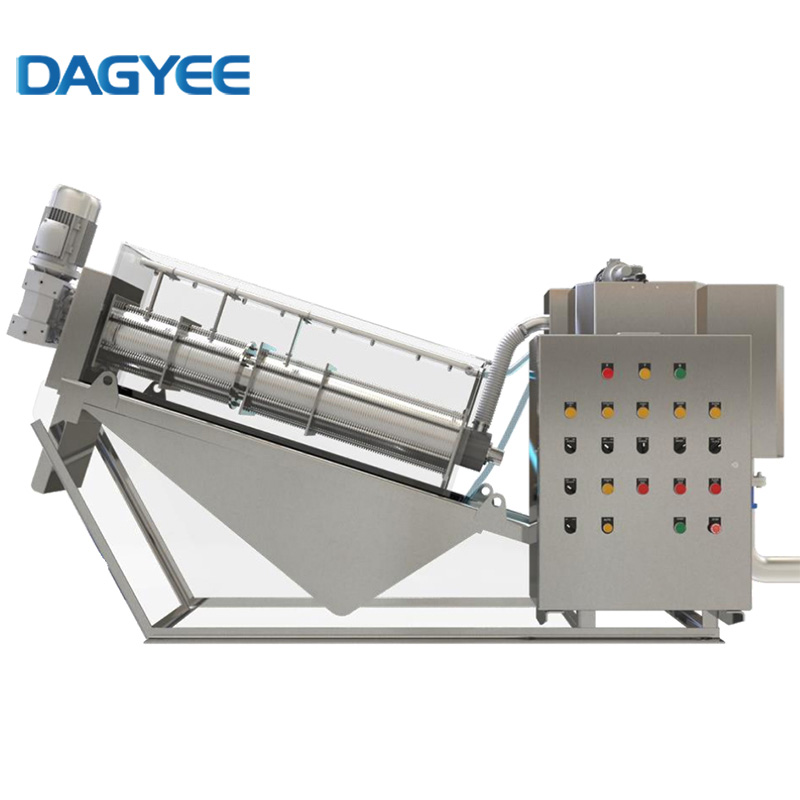
After
years of working in wastewater treatment operations, the piece of equipment
I've encountered most often is the sludge dewatering machine. Whether in
municipal wastewater plants or industrial pretreatment facilities, they're
everywhere. And honestly, they're pretty convenient — more energy-efficient
than old plate-and-frame presses, no need for 24/7 supervision, self-cleaning,
compact footprint, and with proper care, they rarely have major issues.
But
here's what I've noticed: most operators fall into the same trap — either they
skip maintenance entirely, assuming the equipment is indestructible, waiting
until it breaks to fix it; or they follow random advice from AI-generated
articles online and end up making things worse. I've seen plants where
equipment barely a year old starts showing poor dewatering performance,
frequent blockages, and unexpected shutdowns. Nine times out of ten, it comes
down to poor maintenance or incorrect parameter settings.
Today,
I'm skipping the theory. No jargon. No templated fluff. This is all practical
knowledge I've accumulated over years of leading wastewater operations teams,
combined with industry test data — real-world know-how on maintenance,
troubleshooting, and parameter adjustment. I'll explain it in plain language so
even beginners can follow along, keep the equipment running smoothly, and
extend its service life.
1.
First Things First: How Does This Equipment Actually Work?
Most
operators struggle with maintenance because they don't understand the machine's
operating logic. They tweak parameters randomly, disassemble components without
reason, and end up damaging the equipment. The working principle is actually
very straightforward. No memorization required — just follow along.
1.1
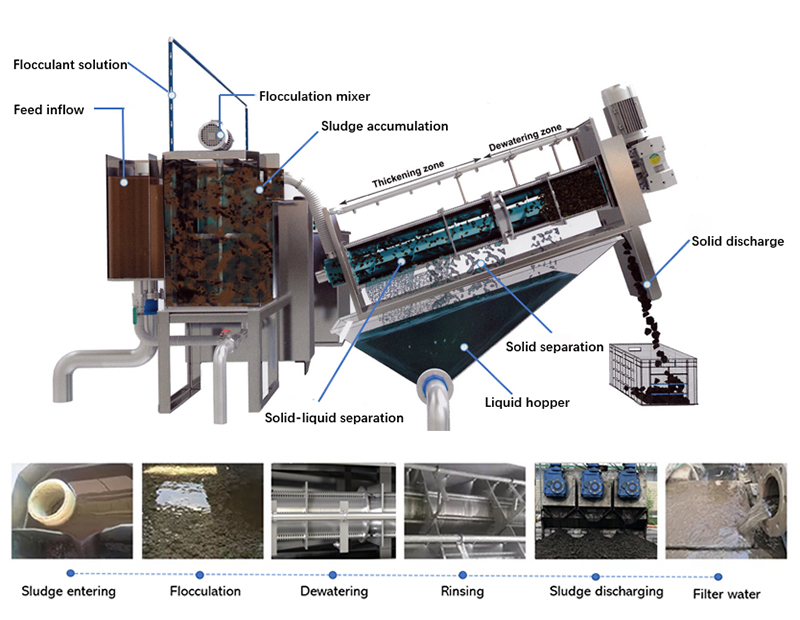
The Process: Three Simple Steps
Step
1 — Conditioning: Add
polymer (flocculant) to the sludge. This makes the fine particles clump
together into larger flocs, which improves dewatering efficiency. Without this
step, the sludge is too thin to form a dry cake.
Step
2 — Feeding: The
conditioned sludge enters the feed inlet. Inside, a screw shaft slowly conveys
the sludge forward.
Step
3 — Dewatering: This
is the core of the process. As the screw shaft moves toward the discharge end,
the pitch gradually decreases and the shaft diameter increases — the space gets
progressively tighter. As the sludge is pushed forward, the available volume
shrinks, pressure builds, and water is squeezed out through the filter screen
and the gaps between dynamic and static rings. The filtrate drains away, while
the solids are compressed into a firm, dry cake that automatically discharges
from the outlet.
No high-pressure blowers, no complex hydraulics. Just mechanical compression. That's why it consumes less energy, requires minimal supervision, and is easy to operate. Whether you're dealing with industrial chemical sludge, livestock manure, or municipal biological sludge, this equipment handles it all — highly versatile.
1.2
Five Key Components to Watch
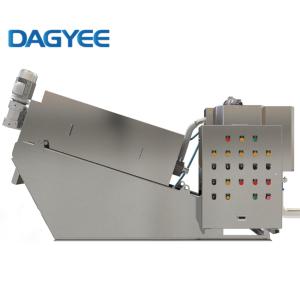
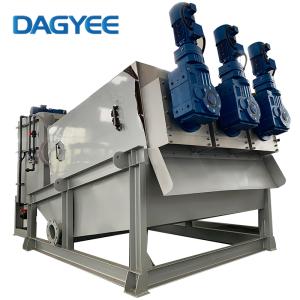
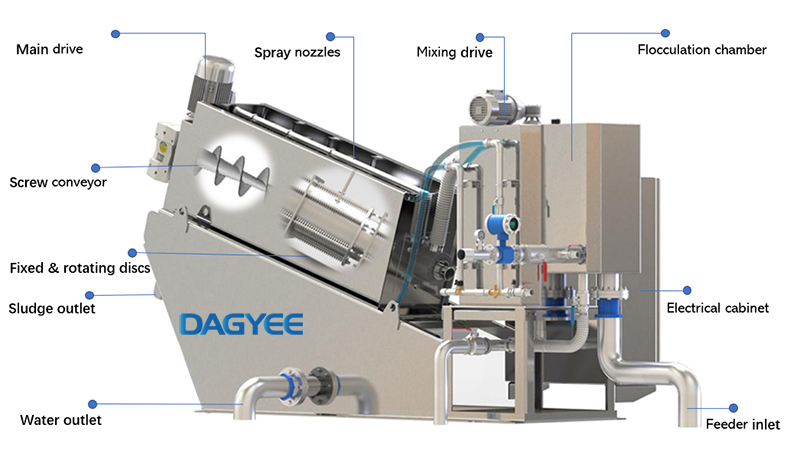
You don't need to memorize every part. Focus on these five — they're the most failure-prone and have the biggest impact on performance. DAGYEE equipment is engineered with these components in mind, using high-grade materials to minimize wear and extend service intervals:
DAGYEE Screw Press · Key Components
Five critical components — engineered for reliability and long service life
| Component | Role | Why It Fails | DAGYEE Advantage |
|---|---|---|---|
| Screw Shaft | The "heart" — pushes sludge and generates pressure | Wear from sand/grit; corrosion from aggressive chemicals | 316L stainless steel construction with optional hard surfacing for abrasive applications |
| Filter Screen | The "sieve" — separates water from solids | Clogging from sludge buildup; breakage from wear | Wedge wire design with self-cleaning profile; longer service life |
| Drive Gearbox | Powers the screw shaft rotation | Oil starvation or leakage causes unstable speed or failure | Precision planetary gearbox with oil level sight glass for easy monitoring |
| Spray Cleaning System | Keeps the screen clean and unblocked | Nozzle blockages or leaking pipes lead to screen blinding | High-pressure self-cleaning nozzles with automatic cycle timer |
| Seals | Prevents sludge and water from leaking out | Aging causes leaks, which then corrode internal components | Double mechanical seals with replaceable cartridges for easy maintenance |
DAGYEE Advantage: All wetted parts are constructed from high-grade 316L stainless steel. Each component is designed for durability, ease of maintenance, and extended service intervals — reducing downtime and lowering total cost of ownership.
2.
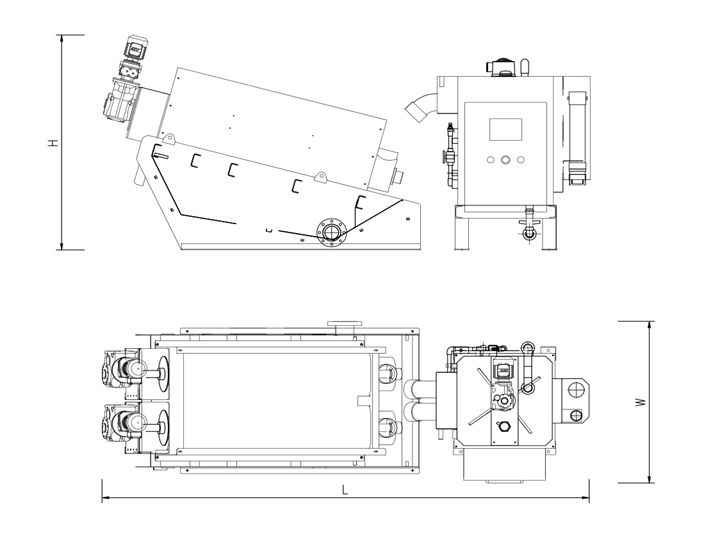
Quick Reference: DAGYEE DL Series Model Selection and Parameter Table
For
beginners, knowing where to start with speed and feed settings is often the
biggest challenge. Random adjustments lead to poor results — either wet cake or
equipment overload. The table below lists DAGYEE's standard DL Series models
and their specifications. Use it as a baseline, then fine-tune based on your
site's actual sludge conditions.
Note: These are standard
DAGYEE DL Series parameters. If your sludge is highly corrosive, high in grit,
or has extreme concentration levels, custom configurations are available.
Always adjust parameters to your specific situation — don't just copy the numbers
blindly.
DAGYEE DL Series · Technical Specifications
Screw press sludge dewatering equipment — model selection and parameter reference
| Model | DS Capacity (kg/h) | Hydraulic Capacity (m³/h) at Different Feed Concentrations | Dimensions L×W×H (mm) | Net Weight (kg) | Running Weight (kg) | Power (kW) | Wash Water (m³/h) | ||||||
|---|---|---|---|---|---|---|---|---|---|---|---|---|---|
| Min | Max | 2 g/L | 5 g/L | 10 g/L | 20 g/L | 25 g/L | 50 g/L | ||||||
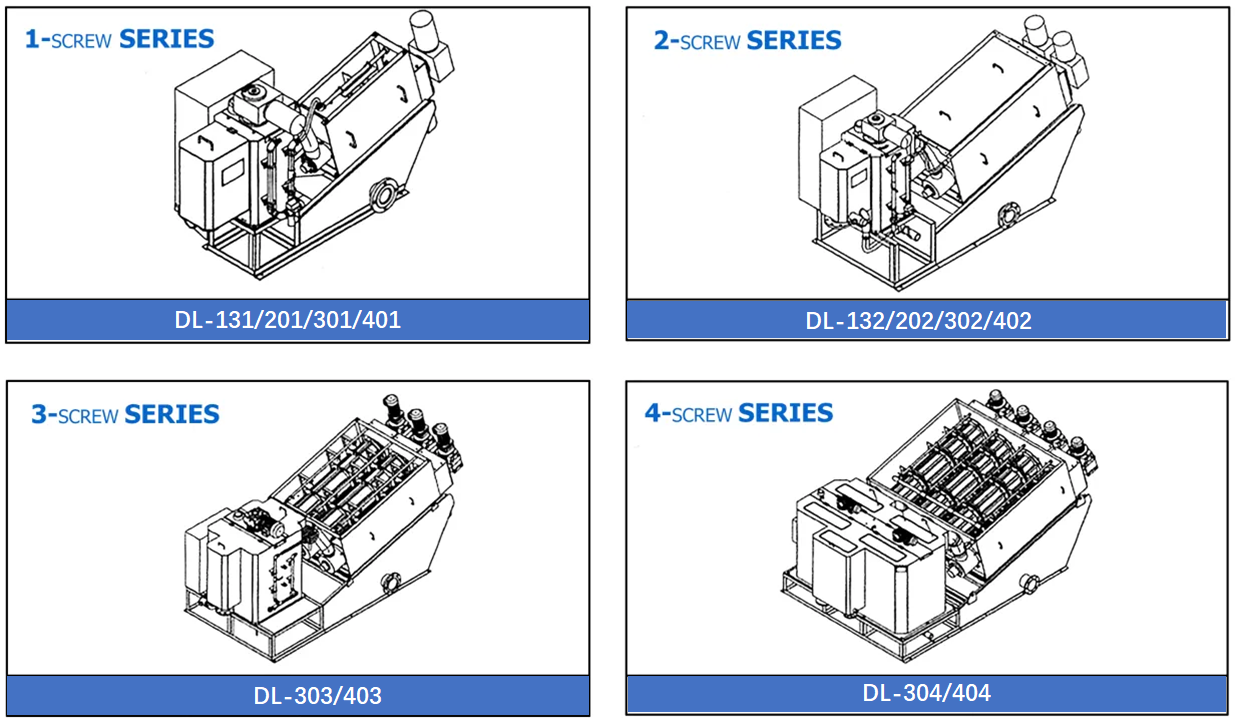
| DL101 | 3 | 5 | 1.5 | 0.6 | 0.5 | 0.25 | 0.2 | 0.1 | 1816×756×1040 | 200 | 290 | 0.2 | 24 |
| DL131 | 6 | 10 | 3 | 1.2 | 1 | 0.5 | 0.4 | 0.2 | 1969×756×1040 | 220 | 315 | 0.36 | 24 |
| DL132 | 12 | 20 | 6 | 2.4 | 2 | 1 | 0.8 | 0.4 | 2069×910×1040 | 275 | 450 | 0.62 | 48 |
| DL202 | 18 | 30 | 9 | 3.6 | 3 | 1.5 | 1.2 | 0.6 | 2500×935×1270 | 470 | 730 | 1.11 | 64 |
| DL301 | 30 | 50 | 15 | 6 | 5 | 2.5 | 2 | 1 | 3255×985×1600 | 850 | 1320 | 0.74 | 40 |
| DL302 | 60 | 100 | 30 | 12 | 10 | 5 | 4 | 2 | 3455×1295×1600 | 1200 | 2230 | 1.11 | 80 |
| DL303 | 90 | 150 | 45 | 18 | 15 | 7.5 | 6 | 3 | 3605×1690×1600 | 1520 | 3080 | 1.86 | 120 |
| DL352 | 120 | 200 | 60 | 24 | 20 | 10 | 8 | 4 | 4240×1550×2190 | 1950 | 3400 | 3.75 | 144 |
| DL353 | 180 | 300 | 90 | 36 | 30 | 15 | 12 | 6 | 4460×2100×2190 | 2600 | 4850 | 6 | 216 |
| DL402 | 120 | 200 | 60 | 24 | 20 | 10 | 8 | 4 | 4140×1550×2250 | 2450 | 3400 | 3.75 | 144 |
| DL403 | 180 | 300 | 90 | 36 | 30 | 15 | 12 | 6 | 4420×2100×2250 | 3350 | 4850 | 6 | 216 |
DAGYEE
DL Series screw presses are designed and manufactured in China, offering
international quality at competitive prices. All wetted parts are constructed
from high-grade stainless steel for superior corrosion resistance and long
service life.
3.
Phased Maintenance: A Simple Schedule That Works
A
lot of operators find maintenance tedious. They either check everything
constantly (wasting time) or skip it entirely until something breaks. Here's a
four-phase schedule I've refined over the years — each phase has clear tasks.
It's straightforward, prevents failures, and even beginners can follow it.
Quick
Tip: Daily
checks can be done by shift operators (just 5 minutes). Weekly, monthly, and
annual maintenance should be handled by qualified maintenance personnel. Clear
division of labor = higher efficiency = fewer problems.
3.1
Daily Inspection (5 minutes, every day)
Take a few minutes before startup, during operation, and after shutdown. This simple routine prevents a huge number of unexpected failures. Print the table below and post it next to the equipment — shift operators can follow it without needing to memorize anything.
Daily Inspection Checklist
Three-stage routine — pre-start, during operation, and post-shutdown
| Period | Core Tasks | Acceptance Criteria |
|---|---|---|
| Pre-Start |
• Manually check bolts, especially at shaft and gearbox connections — ensure they're tight. • Check oil level through gearbox sight glass; top up if below mark. • Visually inspect filter screen for damage or blockages; clean if necessary. • Run spray system briefly to check nozzles for even discharge. • Open control panel to check for error codes. • Clean feed hopper to remove stones or metal debris. |
• All bolts properly torqued. • Oil level within acceptable range. • Screen intact and clear. • Nozzles spraying evenly. • No alarms on electrical panel. • Hopper free of foreign objects. |
| During Operation |
• Monitor feed rate for stable flow — no sudden fluctuations. • Check discharged filtrate — it should be clear; cloudy filtrate means screen blockage. • Inspect sludge cake — it should be firm, not too wet or too dry. • Listen for unusual friction or squeaking; stop immediately if you hear anything abnormal. • Touch motor and gearbox — they shouldn't be too hot to hold. |
• Stable feed. • Filtrate essentially clear. • Cake is uniform, not sticky. • Normal operating sound. • Motor/gearbox temperature ≤75°C. |
| Post-Shutdown |
• Run spray system to thoroughly clean screw shaft and screen — no sludge residue should remain (prevents next-start blockage). • Drain and rinse filtrate tank to prevent odor and caking. • Turn off water, power, and compressed air; ensure disconnection for safety. • Record daily operational data (volume processed, approximate cake dryness). • Clean up sludge and debris around equipment. |
• Shaft and screen free of residue. • Tank clean. • Equipment safely powered off. • Data properly logged. • Work area tidy. |
3.2
Weekly Maintenance (1-2 hours, deep clean)
Daily
inspections are the first line of defense. Once a week, do a deeper clean and
inspection to catch hidden issues before they escalate. This prevents small
problems from turning into expensive repairs and unplanned downtime. With
DAGYEE's modular design, most of these tasks can be completed quickly without
specialized tools.
1)
Check all bolts and couplings. Equipment vibration loosens bolts over time.
Loose bolts cause shaking, which accelerates wear on the shaft and screen. Many
people overlook this detail — don't be one of them.
2)
Remove spray nozzles and rinse thoroughly. If blocked, clear with fine
wire. Don't cut corners — a clogged nozzle leads to a clogged screen, and
cleaning a completely blocked screen is much harder. Replace leaking pipes too;
they waste water and make a mess.
3)
Apply grease to bearings and rotating parts. If the gearbox is leaking
oil, check the seals and top up. Don't wait until the oil runs dry and the
gearbox burns out. DAGYEE gearboxes use high-quality seals for extended service
intervals.
4)
Use a pressure washer to clean between the dynamic and static rings. Some sludge gets
trapped in there and daily spraying won't remove it. Over time it hardens and
causes blockages. Don't spray too aggressively — you don't want to deform the
screen.
5)
Check electrical connections for looseness or aging. Especially in
humid environments, loose connections can cause short circuits — which damage
the control system and create safety hazards. DAGYEE control panels are IP54
rated for reliable operation in harsh conditions.
3.3
Monthly Maintenance (Professional level, proactive replacement)
Once
a month, have maintenance personnel disassemble and inspect key components.
Focus on parts that are prone to aging and replace them in advance. This
prevents much bigger problems and production losses down the line.
1)
Inspect the screw shaft. Check
for wear on the flights — if they're worn thin, the pressing force drops,
dewatering efficiency declines, and the cake gets wetter. Either weld and
rebuild or replace the flights entirely. DAGYEE shafts are manufactured from
316L stainless steel and can be rebuilt or replaced as needed.
2)
Replace seals and gaskets at both ends of the shaft. Even if they're
not leaking, these parts age. Replace them regularly to prevent future leaks
that could corrode the shaft and gearbox. Proactive replacement is cheaper than
emergency repairs.
3)
Drain the gearbox oil. Clean
the housing and refill with fresh gear oil. Dirty oil accelerates gear wear and
shortens gearbox life. I've seen operators who never changed the oil — their
gearboxes failed in under two years.
4)
Calibrate the flow meter and pressure sensors. Inaccurate instruments mean
you're adjusting blind. If the feed flow exceeds the limit but the meter reads
normal, the equipment will overload and trip.
5)
Inspect the frame and base. Look
for peeling paint or rust spots — touch them up immediately. A corroded frame
causes vibration, which affects overall operating stability. DAGYEE frames
feature heavy-duty carbon steel construction with industrial-grade epoxy
coating for superior corrosion protection.
3.4
Annual Overhaul (Full physical exam)
After
12 months of operation or 8,000+ accumulated hours, conduct a full overhaul.
Check every component to ensure stable operation for the coming year. Don't
skimp on this — a major failure will cost far more than annual maintenance.
DAGYEE offers factory-authorized overhaul services and genuine spare parts to
keep your equipment running like new.
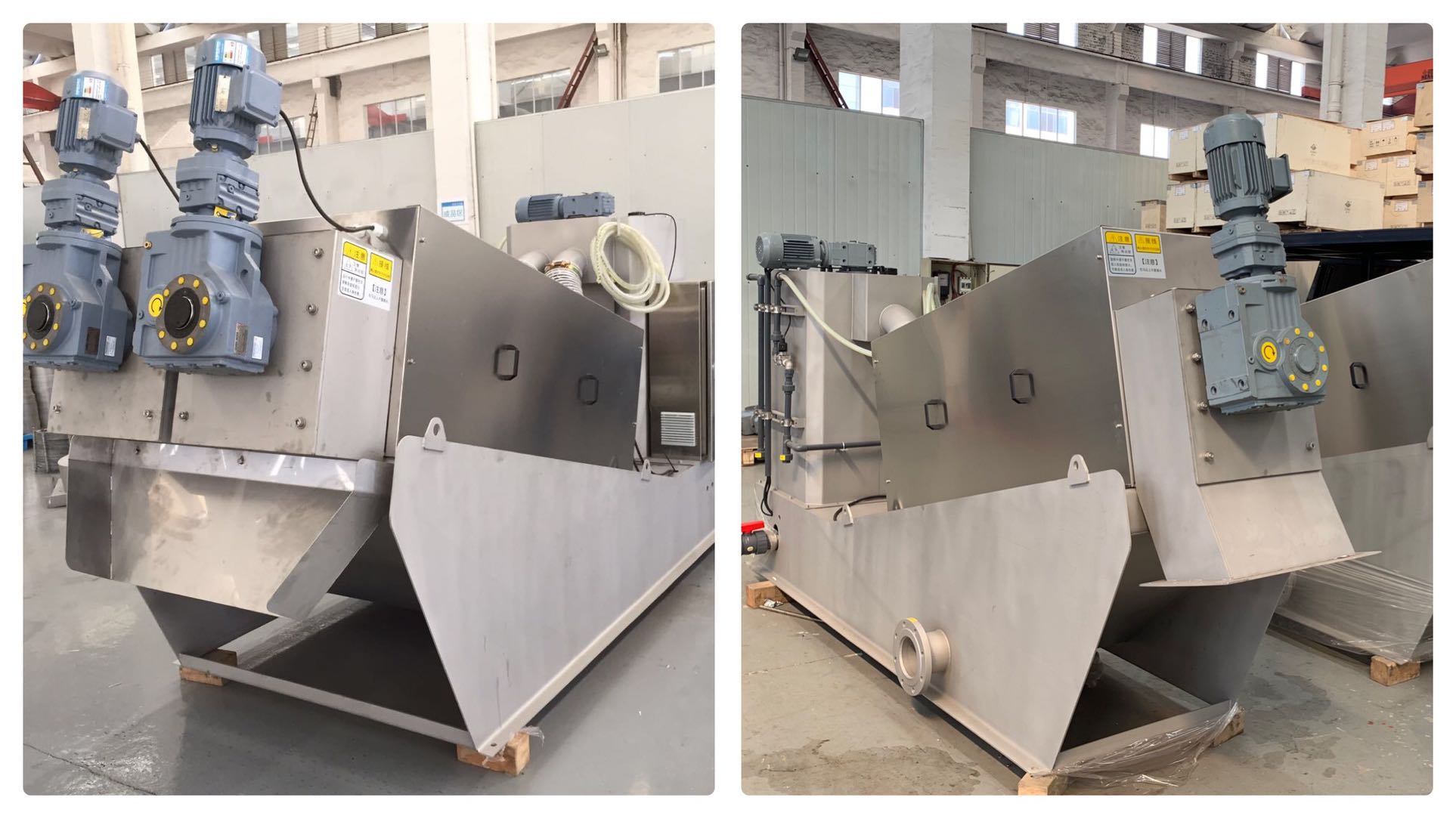
1)
Fully disassemble the equipment. Inspect each component: shaft, filter screen,
dynamic/static rings, bearings. Check for wear, deformation, and corrosion.
Repair or replace as needed.
2)
Replace components nearing end-of-life all at once. Filter screens, seals,
bearings — don't wait for them to fail individually. Replace them proactively
so you avoid multiple shutdowns. DAGYEE maintains a complete inventory of
genuine spare parts for fast delivery.
3)
Re-align the shaft concentricity and drive system co-axiality. Out-of-alignment
causes shaking and accelerated wear. Many unusual noises trace back to poor
alignment. This step is critical.
4)
Apply full anti-corrosion treatment. Sand and repaint the frame,
apply protective coating to the shaft. For equipment handling corrosive sludge,
this step significantly extends service life.
5)
Test run after overhaul. Run
without load first to check for abnormal sounds or leaks. Then run with
material to fine-tune parameters — confirm dewatering effect and stability meet
standards before resuming normal operation.
4.
Practical Optimization Tips: Save Money, Boost Efficiency
Proper
maintenance is the foundation. If you can further optimize operating parameters
and processes, you'll save a significant amount on electricity and chemical
costs while improving dewatering efficiency. These tips are all field-tested —
they work.
1)
Don't just add polymer blindly. Different sludges need different polymers, and
dosage varies. Run small jar tests regularly to find the minimum effective dose
that still achieves good dewatering results. I've seen operators who overdose
on polymer — waste of money and it causes screen blinding, costing more than
they save.
2)
Match screw speed to feed properties. For thick, sticky sludge,
slow the rotation speed down to increase retention time and produce a drier
cake. For thin sludge, increase the speed to improve throughput. Using the same
speed for everything either wastes electricity or gives poor dewatering
results. DAGYEE equipment features VFD-ready motors for precise speed control.
3)
Keep the screen clean. Regular
water spraying is essential, but also soak the screen with a mild alkaline
cleaning agent every 3 months to dissolve organic buildup that water alone
won't remove. This extends screen life and reduces blinding — much more
effective than constant high-pressure washing.
4)
Stabilize incoming sludge. Install
a thickening tank and homogenization tank upstream to keep concentration and
flow consistent. Fluctuations cause equipment to trip and dewatering results to
be unstable. A stable feed makes everything easier.
5)
Install variable frequency drives (VFDs). Install VFDs on both the
motor and feed pump. Ramp up power when sludge volume is high, dial it back
when low. No need to run at full capacity all the time — the electricity
savings add up significantly, especially in larger facilities. DAGYEE systems
are engineered with VFD compatibility as a standard option.
5.
Why Choose DAGYEE for Your Screw Press Needs?
Throughout this guide, I've shared practical knowledge that applies to any screw press dewatering equipment. But if you're in the market for a new unit or considering an upgrade, here's why DAGYEE stands out:
Why Choose DAGYEE
Engineered for reliability — backed by service
| Feature | DAGYEE Advantage |
|---|---|
| Materials | All wetted parts manufactured from 316L stainless steel — not just the shaft, but screen rings and housings too |
| Wear Protection | Optional tungsten carbide hard surfacing on the screw flights for abrasive sludge applications |
| Quality Control | CE certified manufacturing with 100% factory testing before shipment |
| Spare Parts | Full inventory of genuine parts with fast dispatch — minimize your downtime |
| Technical Support | Remote troubleshooting and on-site service available — we speak your language |
| Value for Money | International quality at competitive pricing — no expensive imported brand premium |
| Customization | We build to your exact sludge characteristics — not a one-size-fits-all approach |
| Warranty | Industry-leading warranty coverage on all major components |
6.
Final Thoughts: Well-Maintained DAGYEE Equipment Stays Out of Your Way
Here's
the truth: maintaining screw press dewatering equipment isn't hard. You don't
need a degree in engineering or to be constantly busy. Just follow the routine
I've laid out — daily checks, weekly cleaning, monthly maintenance, annual
overhaul. Pay close attention to wear parts, and when something goes wrong,
troubleshoot methodically. The equipment will have fewer problems and last much
longer.
Too
many operators think maintenance is a hassle and adopt a "fix it when it
breaks" approach. But the cost of emergency repairs and production
downtime is always higher than the cost of preventive maintenance. Especially
for wastewater plants where regulatory compliance is on the line, stable
equipment operation is non-negotiable — and keeping it running well will
actually reduce your total maintenance spend.
DAGYEE
screw presses are built to last, but even the best equipment needs care. With
proper maintenance, your DAGYEE system will deliver reliable dewatering
performance for a decade or more.
If
you encounter any fault that's not covered here, or if you're unsure how to
adjust a specific parameter, feel free to reach out to DAGYEE's technical
support team. We'll do our best to offer practical solutions based on real
field experience. Let's work together to avoid common mistakes and save time
and money.
This
guide is based on actual operational experience, not theoretical knowledge.
Your mileage may vary depending on your specific sludge characteristics and
equipment configuration. Always refer to your DAGYEE equipment manual for
manufacturer-specific recommendations.
Contact DAGYEE:


DAGYEE
— Your Trusted Partner for Sludge Dewatering Solutions
Related News